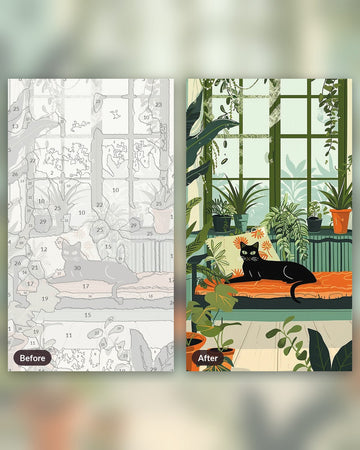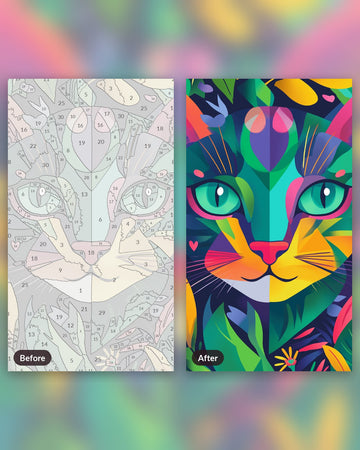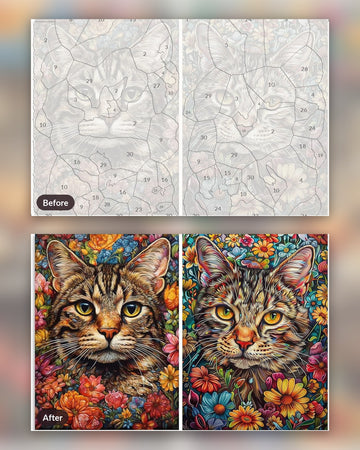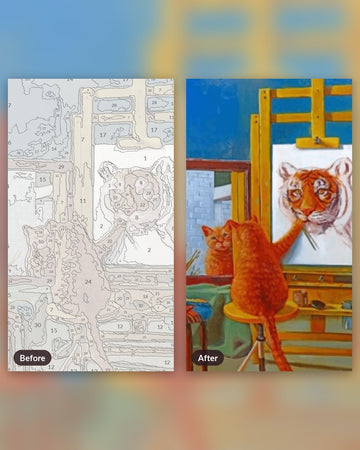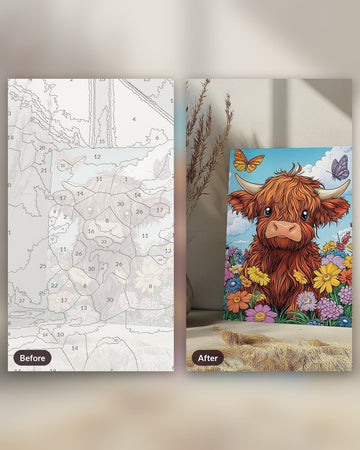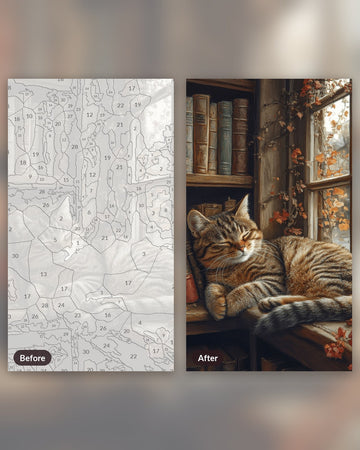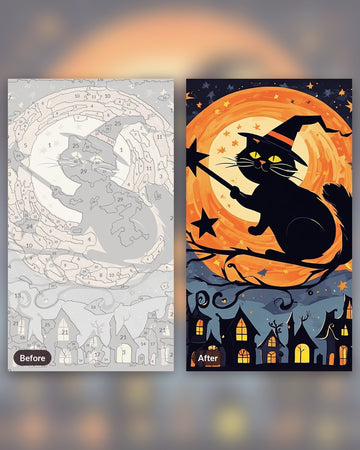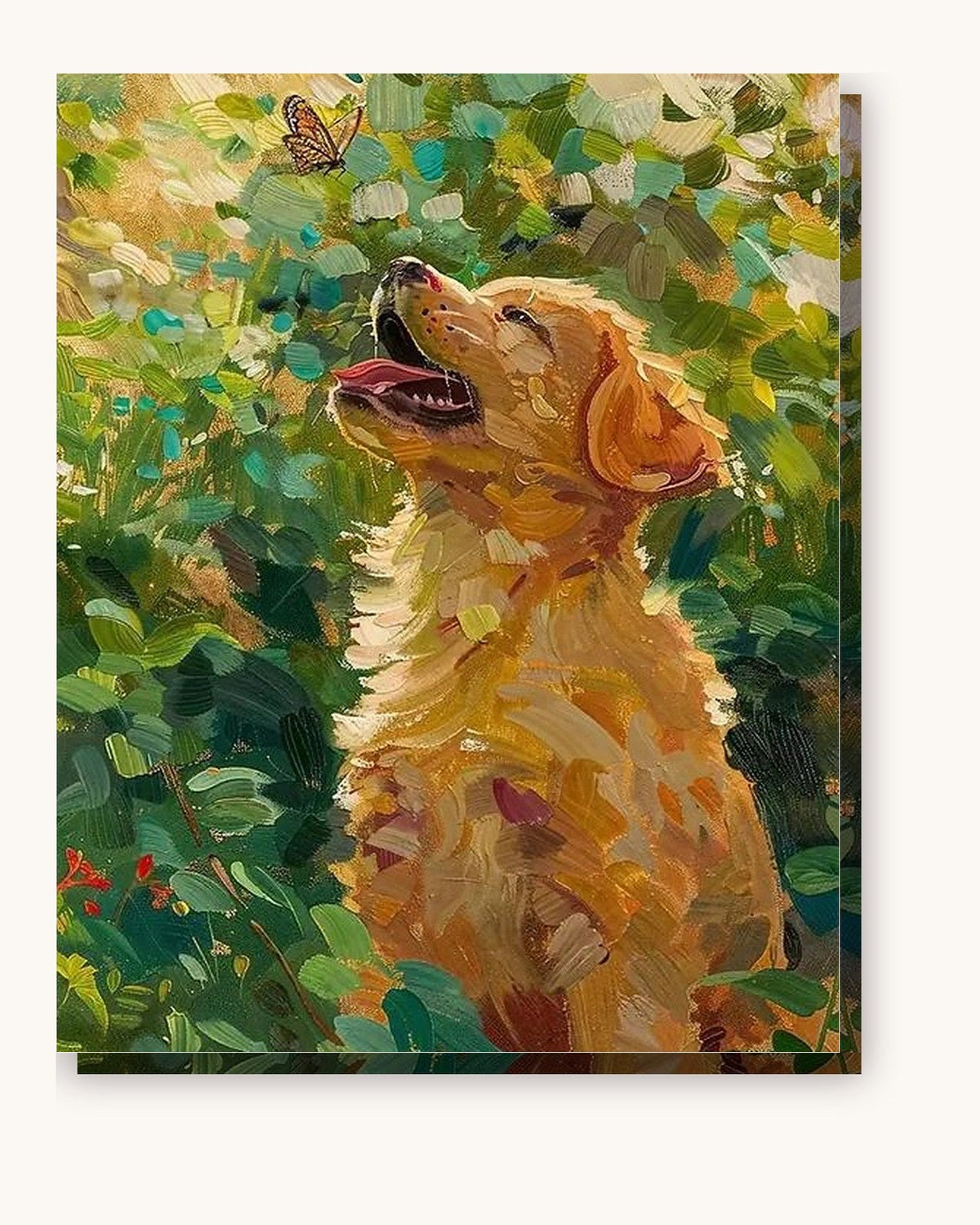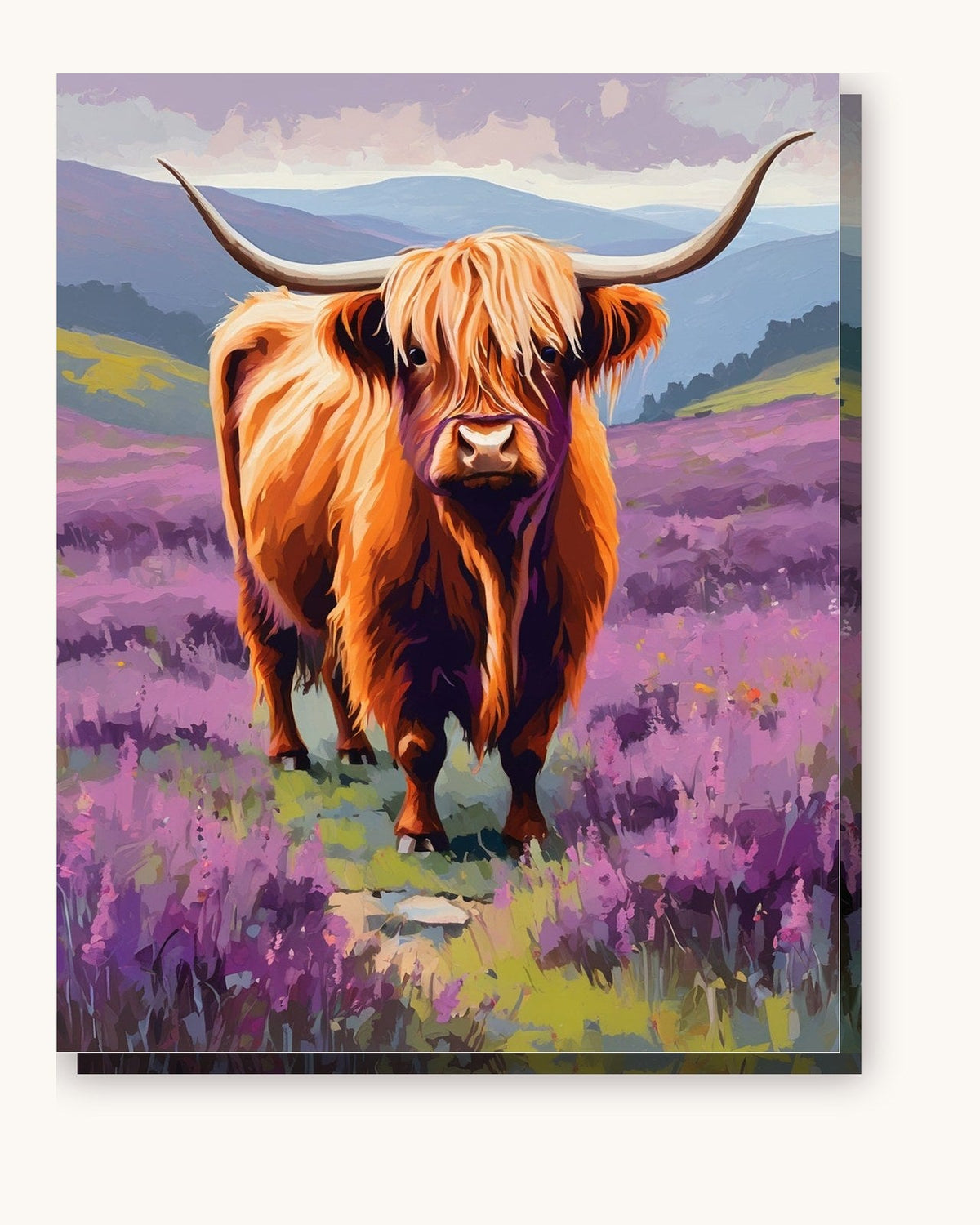
A Craftmas paint night is a holiday gathering built around making something together. For paint by numbers, give each guest their own kit, clear a well-lit table and plan an evening of starting a painting they can carry on at home. A full canvas can take several sessions. Tell people that when you invite them, and nobody has to rush through the snowflakes to keep up.
The seasonal hook is current: Etsy named Craftmas in its Fall and Winter 2026 trend report, published on October 14, describing holiday gatherings centred on crafts and handmade gifts. That is evidence from Etsy's marketplace and forecasting, rather than a measure of worldwide paint-by-numbers demand. Earlier this year, Michaels' creativity report also highlighted group craft sessions and paint-party interest in its own research.
Here is a practical way to turn that idea into an adult holiday get-together, including the less photogenic part: getting a half-painted canvas home.
The short host plan: One kit per guest. Choose designs with some broad, clearly defined areas. Keep each kit's paints and reference sheet together. Use the two-hour schedule below as a starting point, then leave room for drying and packing.
Decide what guests will take home
Individual canvases are the easiest format for a mixed group. Everyone chooses a subject they like, works at their own pace and keeps the supplies needed to finish it. You can use the same design for everyone if you want to compare interpretations, but nobody needs to paint the same section at the same time.
A shared canvas suits a smaller gathering when the group agrees on who keeps it. It also creates a different setup problem: people need access to the picture without leaning across wet paint. Place the canvas where each painter can reach a separate area, and check that you have enough brushes. One kit's contents should not be assumed to equip a whole table.
Put the expectation in the invitation. For example:
“Bring an old shirt. We'll spend the evening starting a Christmas painting, and you'll take your canvas, paints and brushes home to finish. No drawing experience needed.”
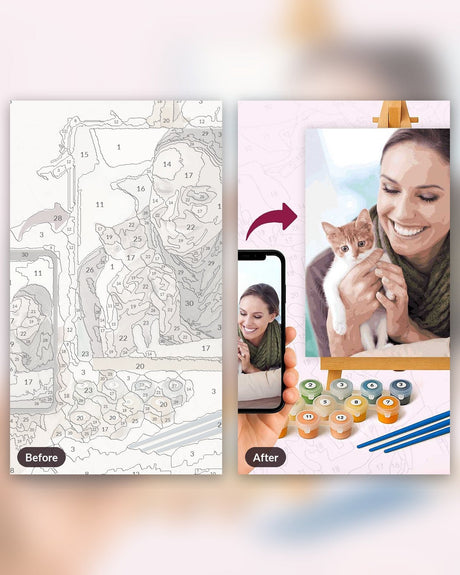
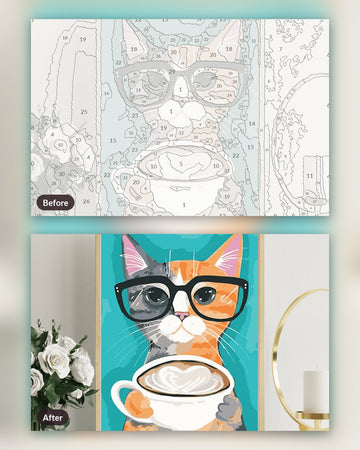
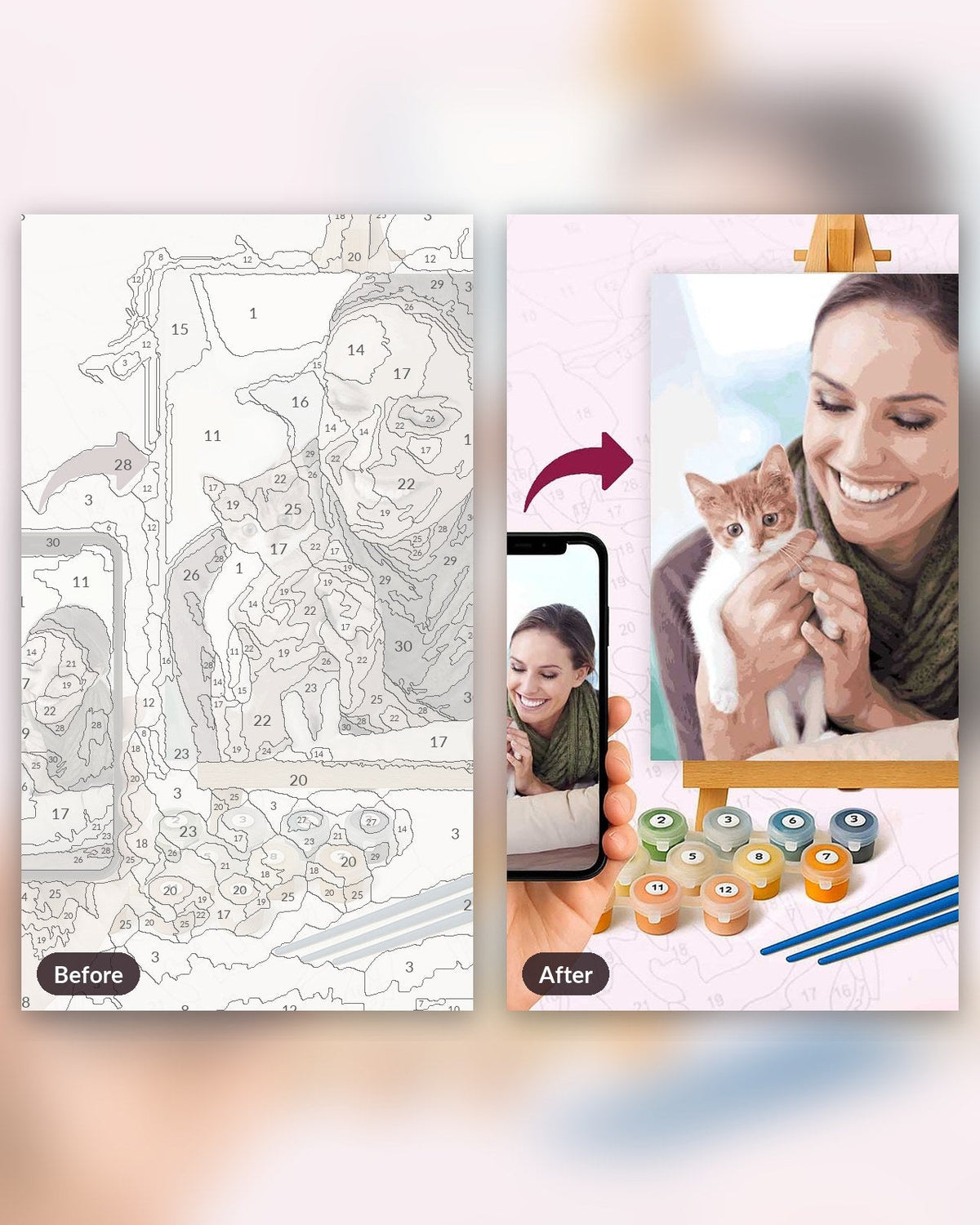
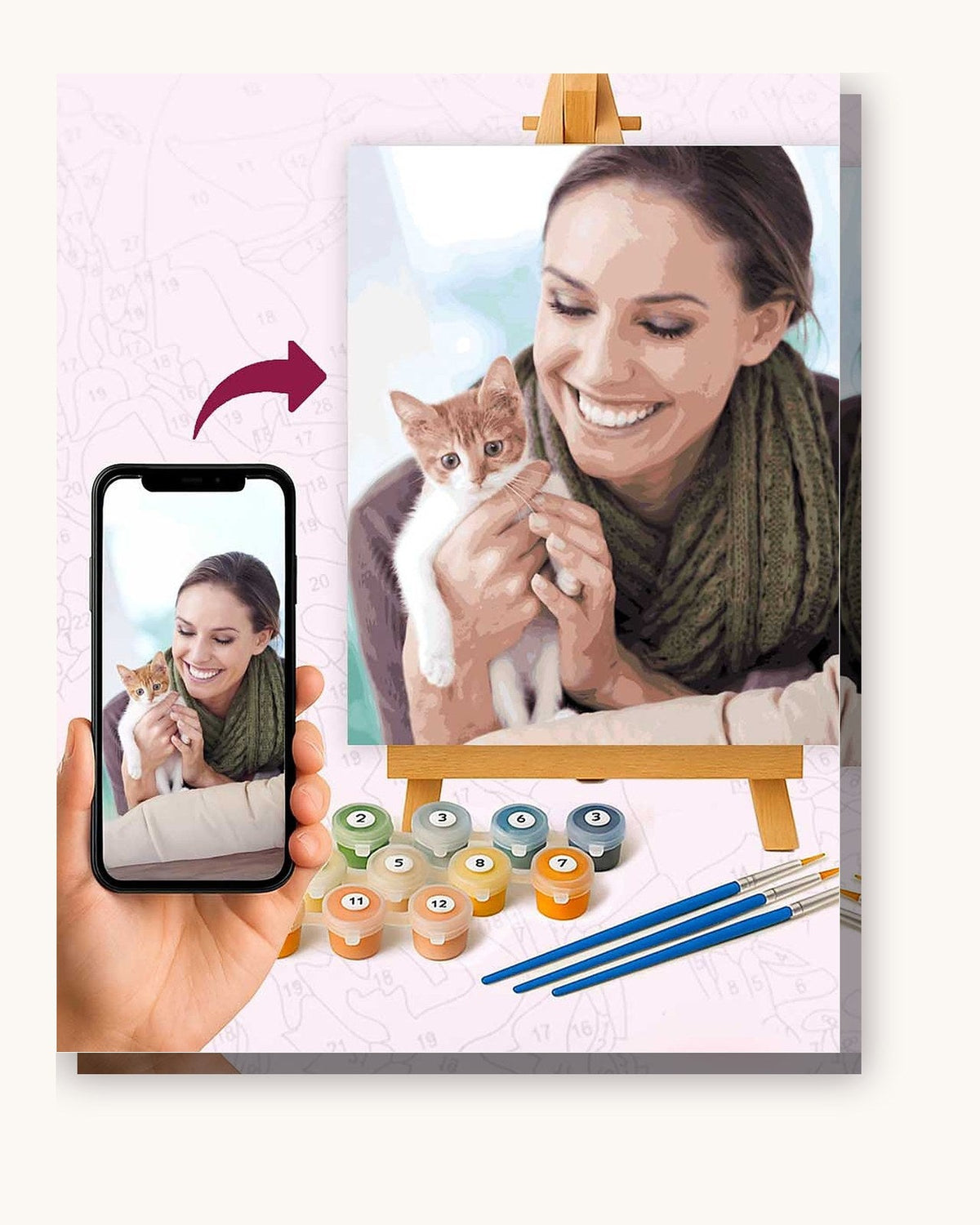
Explain the method before guests arrive: each printed number identifies a paint pot in that kit. Use that paint in the matching outlined areas of the canvas.
Choose a design by its painted areas
Look at the actual image, rather than choosing on the word “beginner” alone. A design with a clear central subject and some broad background areas gives a first-time painter places to start. Dense branches, fur, faces and tiny decorations call for more careful brushwork.
Canvas size matters too. A smaller canvas saves table space, but shrinking a detailed image can leave smaller numbered areas. The canvas size guide helps you compare the available formats. Let guests who need larger numbers or more room for their hands choose with that in mind.
Color count is another choice, rather than a difficulty rating. The seasonal kits below offer 24, 36 or 48 colors. Fewer pots can make the table simpler to manage; they do not guarantee large numbered regions or a painting that will be finished sooner.
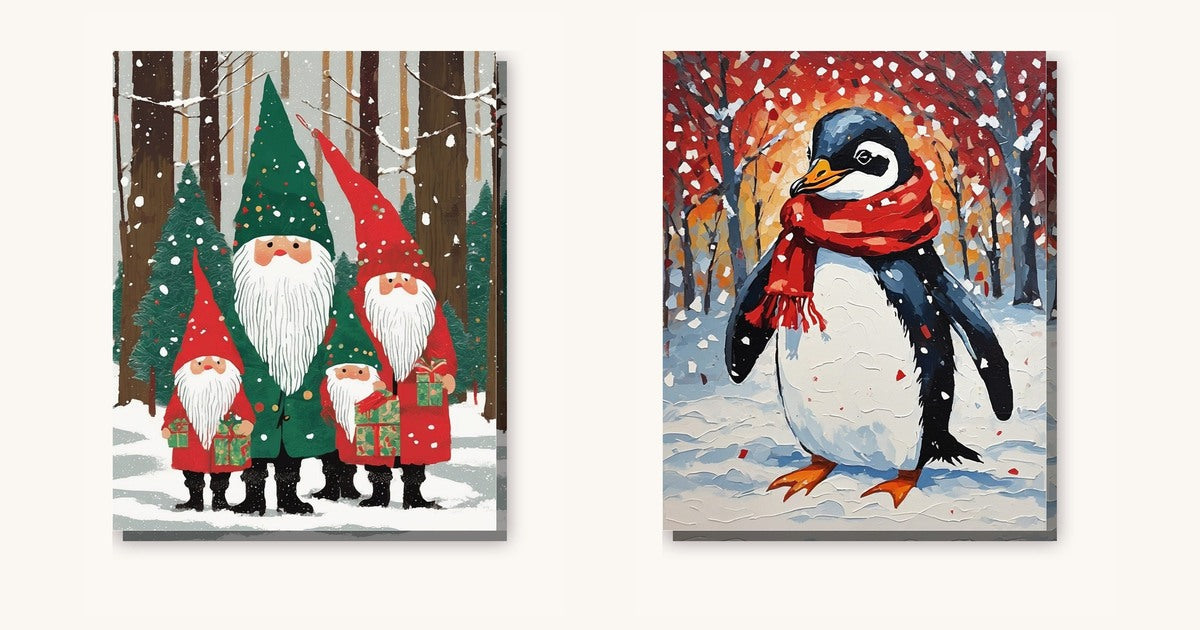
Two seasonal starting points illustrate what to look for:
| Design | A useful place to start | Detail to leave until later |
|---|---|---|
| Christmas Gnomes in the Snow | Pick one hat or coat and follow its numbered sections. The red and green figures make it easy to choose a focus. | The narrow beard strokes, snowflakes and small presents need a steadier hand. |
| Penguin in a Red Scarf | Begin with a clearly defined section of the belly or snowy ground. | Keep the eye, scarf folds and smaller background shapes for when the painter is comfortable. |

Let the subject fit the group. Winter birds or a snowy landscape may suit a gathering where not everyone celebrates Christmas. A guest who already paints can choose a more intricate design without changing the pace for everybody else.
Have the kits in hand before the gathering
For a fixed date, delivery is part of the plan. Check the destination and current estimate before ordering, then leave time to inspect the contents. The store's stated ranges are 1–3 business days for processing and 7–15 business days in transit; they are estimates, and holiday arrival is not guaranteed. Read the current shipping policy for your destination.
Open the kits before guests arrive. Check that each has its numbered canvas, numbered acrylic paints, brushes, reference image and instructions. Canvas-only and DIY-frame options are different purchases; the wooden bars are something to assemble if that option was selected. A frame is optional for painting at a table.
Keep a kit together as you unpack it. Put the owner's name on the outer bag or tray and keep the reference image inside. Paint number 12 from one design may be a different color from number 12 in another. Even when guests use similar-looking colors, each canvas needs its own matching paint set. Compare a pot with that kit's reference before it changes seats.
If the parcel has not arrived, move the painting date or use supplies already available locally. An estimated delivery date is a poor foundation for an invitation that cannot move.
Set one complete place before setting the table
Lay out a single seat first. Put the canvas in front of the chair, then add the reference image, paints, water and somewhere to rest a brush. Sit down and try reaching the far edge. Repeat that amount of space for the other guests; this is more useful than deciding a guest count from the length of the table alone.
Alongside each kit, provide:
- A table covering and a flat, supported surface for the canvas.
- A stable rinse-water container that looks different from drinking glasses.
- A washable brush rest or small tray, plus paper towels or a cloth.
- Task lighting that lets the painter read the numbers without leaning over a shadow.
- A labelled bag for the paints, brushes and reference sheet to go home in.
Keep food and drinks on a separate surface so the working area stays clear. Ask guests to follow the paint labels and keep paint away from children and pets. This plan is for adults; a family craft session needs materials and supervision suited to the children taking part.
Check the light with the room set up as it will be during the evening. Decorative lights can stay, but use a reading or desk lamp for the canvas. If someone has trouble seeing a number, give them time to compare it with the reference instead of asking them to guess.
A suggested two-hour paint-night plan
This is a hosting schedule to adapt, rather than a completion-time estimate. Detailed kits will still have work left at the end.
| Time | What to do |
|---|---|
| First 15 minutes | Settle in, find the matching paint numbers and choose a small starting area. Demonstrate rinsing and drying the brush. |
| Next 40 minutes | Paint at each person's pace. Keep the reference beside the canvas and close pots as you finish using them. |
| 10-minute break | Put down the brushes, close the pots and move away from the painting area for refreshments. |
| Next 35 minutes | Carry on with the same section or choose another. Help with awkward numbers and small areas as needed. |
| Final 20 minutes | Stop painting, clean brushes, check supplies and prepare canvases for the journey home. Extend this period if paint is still wet. |
For the demonstration, choose one numbered region you can clearly see. Match it with the pot, put a little paint on the tip of the brush and work inside the outline. Rinse before changing color, then blot the brush so excess water does not run across the canvas.
Give each person a manageable first task: one coat, part of the snow, a background patch. Anyone who wants to spend the whole evening on that section can. Leave the finished product image nearby as a reference, without using it as a deadline for the night.

Pack the unfinished painting with its own supplies
Drying needs flexibility. GOLDEN's acrylic paint FAQ explains how studio conditions affect drying; it does not give a single time that applies to every painting. That general principle matters here too. Check the actual painted surface before anything touches it, and allow longer for thicker passages.
If a canvas is still wet, keep it flat on a rigid support, with nothing touching the paint. Use a suitable tray or box that protects the surface during transport. If you cannot pack it without contact or movement, keep it safely at the host's home for collection later. Folding or rolling wet work to fit a gift bag can spoil the evening's progress.
Before anyone leaves, match each canvas with its labelled paint set, reference image and cleaned brushes. Wipe paint from pot rims and close the lids firmly. Keep the supplies together between sessions; the leftover-paint storage guide covers looking after opened pots.
Leave varnishing and display decisions until the painting is finished and dry. A useful last note for guests is simply where they stopped: a photo of the canvas and a reminder of the section they want to paint next.
When the holiday date is close
Host with kits you already have, ask guests to bring their current projects or move the gathering to a date when everyone's supplies are ready. Craftmas can be an evening in early December or a quiet afternoon after the celebrations. The invitation can be flexible about the season while staying clear about the activity.
When you are ready to choose designs, browse the Christmas paint by numbers kits. Start with the picture each person wants to paint, then check the size, color choice and space it needs at your table.
Written by the Artistry By Numbers team. This is a suggested hosting plan, with kit choices checked against the current catalogue. The timetable is not a measured completion time.