











Table of Contents
- What Exactly Is Paint by Numbers?
- Choosing Your First Paint by Numbers Kit
- Setting Up Your Workspace for Success
- Understanding Your Numbered Canvas
- Acrylic Paint Management and Mixing
- Brush Techniques That Make a Difference
- The Best Order to Paint Your Sections
- Common Beginner Mistakes and How to Avoid Them
- Fixing Painting Errors Without Starting Over
- Finishing Touches and Varnishing
- Framing and Displaying Your Canvas Art
- Frequently Asked Questions
Paint by numbers tips for beginners can transform your very first kit from a frustrating experience into a genuinely relaxing creative hobby. If you have never picked up a brush before, or if your last attempt at art class left you feeling defeated, numbered canvas painting flips the entire process on its head. You follow a simple system, match the number on the canvas to the matching acrylic paint pot, and the result is a piece of wall art you actually made with your own hands. This guide covers 15 specific, practical tricks that will help you finish your first paint by numbers kit with confidence and zero wasted paint.
What Exactly Is Paint by Numbers?
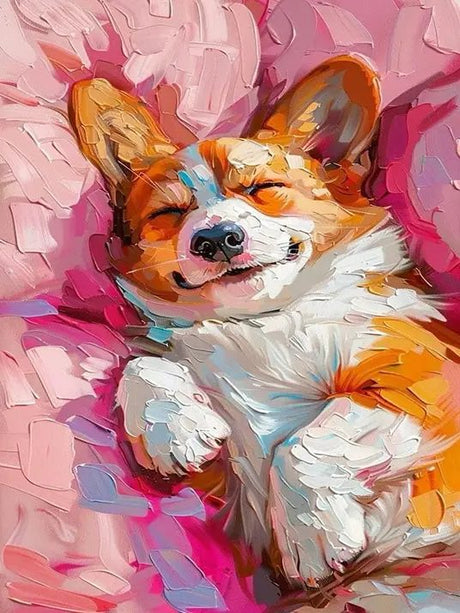
A paint by numbers kit includes a pre-printed canvas divided into small sections, each marked with a number. Every number corresponds to a specific acrylic paint color included in the kit. You fill each section with the matching color, and as you work across the canvas, a complete painting gradually appears. The concept dates back to the 1950s, but modern kits are far more detailed. High-quality kits from ArtistryByNumbers use a textured canvas with crisp number printing, professional-grade acrylic paints, and multiple brush sizes.
Want to paint this yourself?
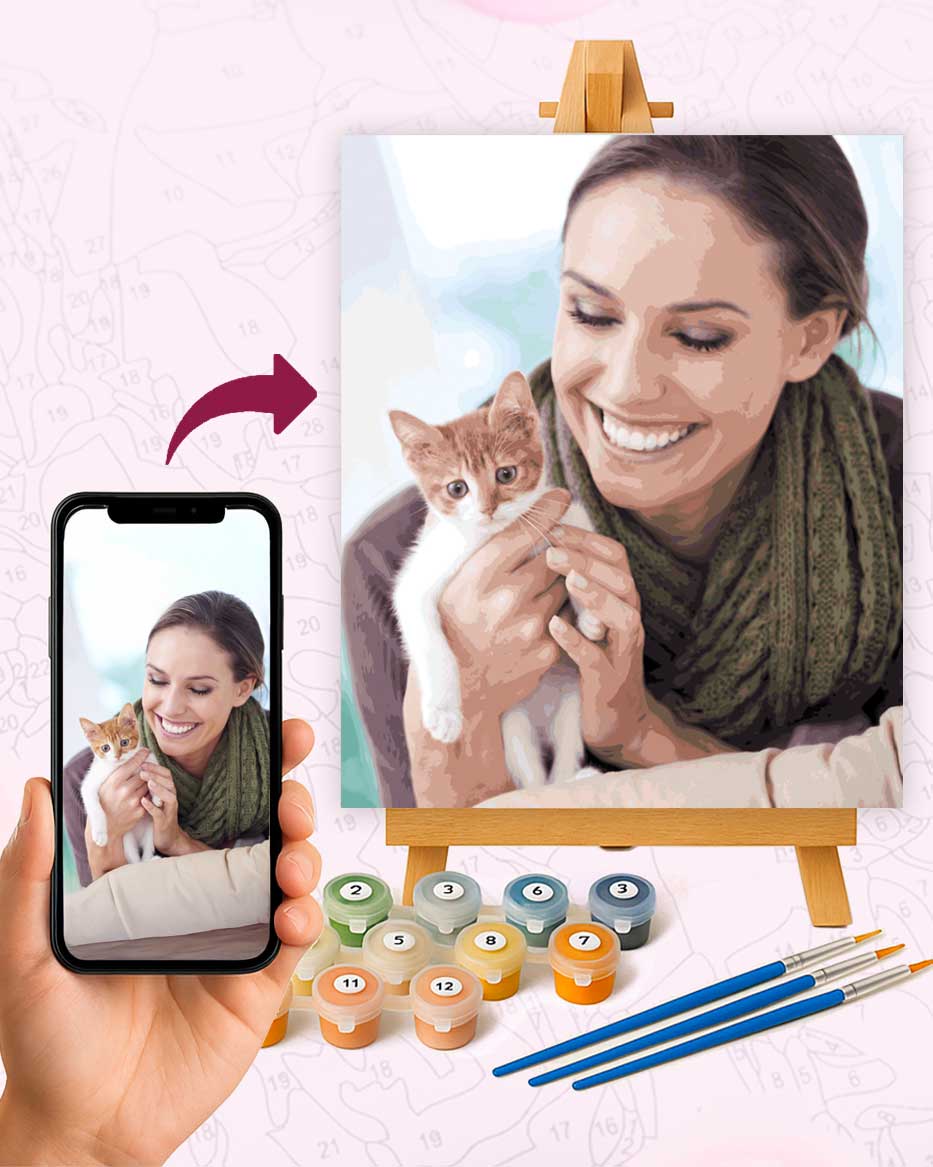
Turn one of your own photos into a numbered canvas (from $19.95). We trace it, mix the paints to match, and ship the kit with brushes.
Or pick a ready-made design
- Ocean's First Light Painting by Numbers Kit (from $19.95)
The beauty of this system is that it removes the hardest part of painting, deciding what goes where. Color theory, composition, shading, blending, all of that is already handled by the design. Your job is to apply paint carefully and enjoy the meditative process. Many people describe it as a form of art therapy because it keeps your hands busy and your mind focused without requiring artistic skill.
Paint by numbers works for every age group and skill level. Kids enjoy simpler designs with larger sections. Adults gravitate toward detailed landscapes, animal portraits, and abstract compositions. Couples sometimes paint matching canvases as a shared activity. The point is participation, not perfection.
Choosing Your First Paint by Numbers Kit
Your first kit sets the tone for the entire hobby. Pick something too complex, and you will struggle with tiny sections that require a magnifying glass. Pick something too simple, and you might get bored halfway through. Here is how to find the right balance.
Start with a medium-complexity design. Look for kits labeled "beginner" or "easy" that still have enough detail to feel satisfying. Landscape kits with broad sky sections and rolling hills are excellent starters. Floral designs with large petals also work well because they give you big areas to fill before you tackle smaller details.
Choose a subject you actually like. You will spend 8 to 20 hours with this painting. If you love animals, browse animal and wildlife collections. If you prefer modern decor, check out abstract designs. Genuine interest in the subject keeps you motivated through the trickier sections.
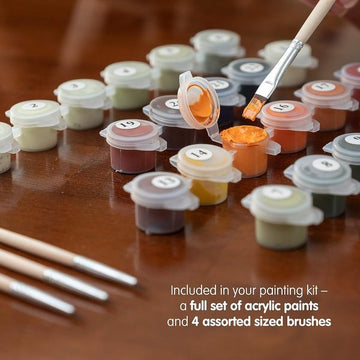
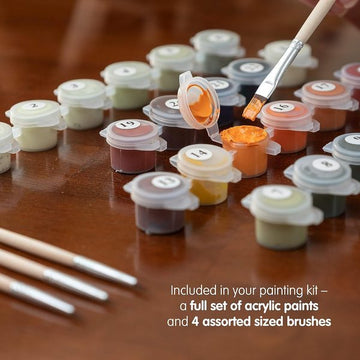
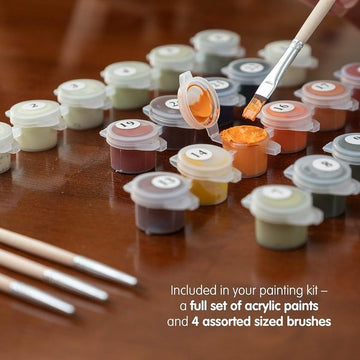
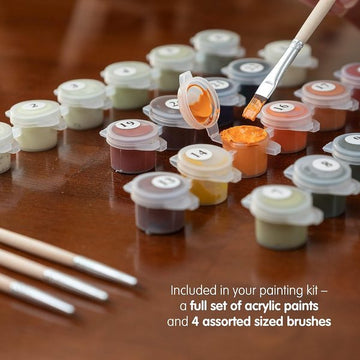
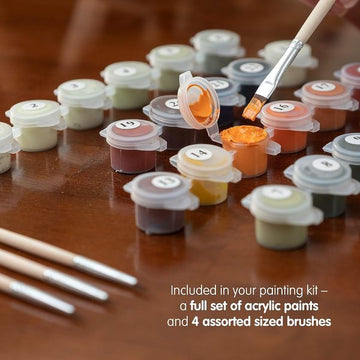
Check what is included. A quality kit includes a numbered canvas (linen blend is best), a complete acrylic paint set with enough paint for full coverage, at least 3 brush sizes, and a reference image. Avoid kits that require you to buy brushes or paint separately. ArtistryByNumbers kits include everything you need, starting at just $19.95, with free worldwide shipping on every order.
Consider the canvas size. A 40x50cm canvas is the most popular beginner size. It is large enough to show detail but small enough to finish in a reasonable timeframe. If you want something to hang as a statement piece, 50x65cm or larger gives more visual impact.
Ready to start painting? Browse our best sellers: Buy 2 Get 1 Free with free worldwide shipping.
Setting Up Your Workspace for Success
Before you open a single paint pot, spend 10 minutes preparing your workspace. This step alone prevents half the problems beginners encounter.
Lighting matters more than you think. Paint under bright, neutral-white light. Warm yellow bulbs distort colors, and dim lighting makes it nearly impossible to read small numbers on the canvas. A desk lamp with a daylight bulb positioned to your left (if right-handed) or your right (if left-handed) eliminates shadows across the canvas.
Protect your surface. Lay down newspaper, a plastic sheet, or a cheap tablecloth under your canvas. Acrylic paint dries fast and permanently stains wood and fabric. A single drip can ruin a dining table.
Keep water and paper towels within reach. You will switch brushes and colors constantly. A cup of clean water for rinsing brushes and a stack of paper towels for dabbing excess water are essential. Change the water when it turns murky, dirty water muddles your paint colors.
Organize your paint pots. Most kits label pots with numbers that match the canvas. Line them up in numerical order so you can find each color quickly. Some painters pour small amounts onto a palette or paper plate for easier access, but beginners should start by painting directly from the pots to avoid wasting paint.
Use a flat, stable surface. An easel is nice but not required. A table works perfectly. Prop the canvas at a slight angle if you find yourself hunching over it, your back will thank you after a few hours.
Understanding Your Numbered Canvas
When you first unroll your canvas, the sheer number of tiny sections can feel overwhelming. Take a breath. Every experienced paint by numbers artist felt the same way with their first kit.
Study the reference image first. Spend a few minutes looking at the finished painting. Identify the major areas, the sky, the foreground, the main subject. This mental map helps you understand which sections belong together, even when they are broken into dozens of tiny numbered zones.
Numbers sometimes repeat. The same number appears in multiple sections across the canvas. This is normal. Every section marked "3" uses the same color. Some canvases have 20+ different colors, which means 20+ paint pots.
Tiny numbers can be hard to read. If a number is too small to see clearly, use a magnifying glass or take a photo with your phone and zoom in. Misreading a "6" as an "8" leads to incorrect colors and visible mistakes in the final painting.
Creases from packaging flatten out. If your canvas arrived rolled or folded, iron it gently on the back (lowest heat setting, no steam) or place heavy books on it overnight. Painting on a wrinkled surface creates uneven coverage.
Acrylic Paint Management and Mixing
The acrylic paints in your kit are ready to use, but how you handle them makes a big difference in your final result.
Stir before using. Paint separates during shipping. Use a toothpick or the back end of a brush to stir each pot before applying. You want a smooth, consistent texture. If paint seems thick, add one or two drops of water, no more. Over-thinning creates streaky, translucent coverage.
Keep lids closed. Acrylic paint dries out quickly once exposed to air. Only open the pot you are currently using. If a pot starts to thicken, add a tiny drop of water and mix thoroughly. Once acrylic paint fully dries in the pot, it is ruined.
Use thin layers. Instead of loading your brush with a thick glob of paint, apply thin, even coats. Two thin layers look far better than one thick layer. Thick application hides fine detail and takes longer to dry, increasing the risk of smudging.
Paint one color at a time. This is the single most efficient technique. Open one pot, find every section on the canvas with that number, and paint them all before moving to the next color. You clean your brush less often, waste less paint, and maintain consistent color across the painting.
Ready to start painting? Browse our best sellers: Buy 2 Get 1 Free with free worldwide shipping.
Brush Techniques That Make a Difference
Most paint by numbers kits include three brushes: a large flat brush, a medium round brush, and a fine detail brush. Knowing when to use each one saves time and improves quality.
Large flat brush Use for big areas like skies, water, and backgrounds. Load the brush evenly and paint in smooth, parallel strokes. Avoid scrubbing back and forth, this lifts previously applied layers and creates a messy texture.
Medium round brush Your workhorse brush. Use it for mid-sized sections and edges. Hold it at about a 45-degree angle to the canvas for the best control. This brush handles most of the work on a typical kit.
Fine detail brush Reserved for the smallest sections, eyes, thin lines, tiny decorative elements. Load only the tip of the brush. Press very lightly. If you apply too much pressure, the bristles splay and you lose precision.
Brush care during painting Rinse your brush thoroughly between colors. Even a trace of the previous color will contaminate the next one. After rinsing, dab the brush on a paper towel to remove excess water before dipping into paint. A wet brush dilutes paint and causes runny application.
Brush care after painting Never leave brushes sitting in water. This bends the bristles permanently. After each painting session, wash brushes with mild soap and warm water, reshape the bristles, and lay them flat to dry.
The Best Order to Paint Your Sections
The order you paint sections affects both efficiency and the final look of your canvas art. Here is a method that works well for paint by numbers beginners.
Start with the darkest colors. Dark paints cover the printed numbers more effectively and provide a strong base. If a dark section slightly overlaps into a lighter area, you can paint over it with the lighter color later. The reverse, trying to cover a light color with a dark one, sometimes requires multiple coats.
Work from the top of the canvas downward. This reduces the chance of resting your hand on wet paint. If you are right-handed, also try working from left to right for the same reason.
Paint backgrounds before foreground details. Fill in the sky, distant mountains, and large backdrop areas first. Then move to the main subject. Finally, add the smallest foreground details. This layering approach mimics how professional artists work and produces a more natural-looking result.
Save white and very light colors for last. White and pale colors show dirt and smudges easily. By painting them last, you minimize the risk of accidentally dragging a darker color through a finished light section.
Common Beginner Mistakes and How to Avoid Them
Knowing what goes wrong helps you avoid problems before they happen.
- Using too much paint A thick layer cracks as it dries and obscures fine detail. Apply thin coats and let each layer dry before adding another.
- Skipping numbers Double-check the number before painting each section. Painting section "12" with color "21" is a common mishap that requires repainting.
- Not closing paint pots Dried-out paint is the most frequently reported problem in paint by numbers kits. Close every pot after each use.
- Rushing through large sections Take your time with big areas. Rush jobs show streaks and uneven coverage that stand out in the finished painting.
- Ignoring canvas creases A wrinkled canvas causes paint to pool in folds. Flatten your canvas before you start.
- Painting in poor lighting Colors look different under warm, cool, and dim light. Always paint under bright, neutral light to ensure accurate color matching.
- Comparing to the reference too often The reference image shows the final result with perfect blending. Your canvas will look patchy and unfinished until the very end. Trust the process.
Ready to start painting? Browse our best sellers: Buy 2 Get 1 Free with free worldwide shipping.
Fixing Painting Errors Without Starting Over
Mistakes happen. The good news is that acrylic paint is forgiving.
Wrong color in a section Let the incorrect color dry completely. Then paint over it with the correct color. Acrylic paint is opaque enough that one or two coats of the right color will cover the mistake entirely. For very dark errors under a light correction, you might need three thin coats.
Paint outside the lines Wait for the paint to dry, then carefully paint over the stray marks with the correct adjacent color. A fine detail brush gives you the precision needed for clean edges.
Streaky coverage Usually caused by not enough paint on the brush or too much water. Apply a second thin coat after the first one dries. Two thin coats always look better than one thick one.
Dried paint blob If a glob of paint dries on the canvas, gently scrape it with a craft knife or fine sandpaper, then repaint the area. Work carefully to avoid damaging the canvas surface.
Numbers still showing through Some lighter colors, especially yellow and white, struggle to cover printed numbers. Apply two or three thin coats, letting each one dry before the next. If the numbers still show, a very thin layer of white paint as a base coat before the final color does the trick.
Finishing Touches and Varnishing
Once every section is painted, your canvas needs a few final steps to look truly professional.
Touch up edges. Go around the entire painting and clean up any spots where colors overlap incorrectly. Use your finest brush and steady hand for this step. This is the difference between a painting that looks homemade and one that looks gallery-worthy.
Check for bare spots. Hold the canvas at an angle under bright light. Any thin spots or missed sections will be obvious. Touch them up before varnishing.
Apply varnish. A clear acrylic varnish protects your painting from dust, UV damage, and moisture. You can choose matte, satin, or gloss finish depending on your preference. Apply two thin coats with a wide, soft brush, letting the first coat dry completely before the second. Varnish also deepens the colors and gives the painting a professional, finished look.
Let it cure. After varnishing, let the painting sit untouched for 24 to 48 hours before framing or hanging. This allows the varnish to fully harden.
Framing and Displaying Your Canvas Art
You spent hours creating this piece, display it properly.
Stretched canvas If your kit came on a wooden frame (stretched canvas), you can hang it directly on the wall with picture hooks or Command strips. No additional framing needed. This gives a modern, gallery-style look.
Rolled canvas If your canvas is unframed, you have two options. Mount it on a wooden stretcher frame (available at craft stores for a few dollars) or take it to a framing shop for a traditional frame with glass.
DIY framing tips Floating frames (where the canvas sits slightly inside a frame with a visible gap around the edges) look particularly striking with paint by numbers art. Black frames suit most paintings. White frames work well with light, airy subjects like florals and beach scenes.
Where to hang Avoid direct sunlight, which fades acrylic paint over time even with varnish protection. Living rooms, bedrooms, and hallways are popular choices. Group multiple completed paintings together for a personal gallery wall, especially satisfying when you have finished several custom kits and can see your progression.
Ready to pick your first kit? ArtistryByNumbers ships worldwide for free, with prices starting at $19.95. Our Buy 2 Get 1 Free deal means you can grab a starter kit and two gifts for friends at a fraction of the price.
Frequently Asked Questions
Do I need any painting experience to do paint by numbers?
Absolutely not. Paint by numbers kits are specifically designed for people with zero artistic experience. The numbered sections tell you exactly which color goes where. If you can hold a brush and match numbers, you can complete a beautiful painting. Thousands of complete beginners finish their first paint by numbers kit every week.
How long does a paint by numbers kit take to complete?
Most beginner kits take between 8 and 20 hours spread across multiple sessions. A simple design with large sections might take 6 hours. A complex, detailed painting with 30+ colors could take 25 hours or more. Most people work in 1 to 3 hour sessions over the course of one to three weeks.
What if I run out of a specific paint color?
Quality kits include enough paint for full coverage plus a small margin. If you do run short, usually because of thick application, contact the kit provider. ArtistryByNumbers provides replacement paint pots on request. You can also match the color at a craft store by bringing in the original pot for comparison.
Can kids do paint by numbers?
Kids aged 8 and up can handle most beginner-level kits independently. Younger children (5 to 7) can participate with adult supervision, especially on kits designed for children with larger sections and fewer colors. It makes an excellent rainy-day activity and builds fine motor skills.
Is paint by numbers considered real art?
This debate has existed since the 1950s, and the answer depends on your definition. You are physically creating a painting with real acrylic paints on real canvas. You develop brush control, color awareness, and an eye for detail. Many people use paint by numbers as a stepping stone to freehand painting. Others enjoy it purely as a stress relief painting activity. Either way, the finished product is a real painting that you made.
What is the best paint by numbers kit for a complete beginner?
Start with a landscape or floral design in 40x50cm size. These subjects have a good mix of large and small sections, forgiving color palettes, and impressive results. Check out our best sellers to see what other beginners are choosing, those kits have the highest completion rates and satisfaction scores.