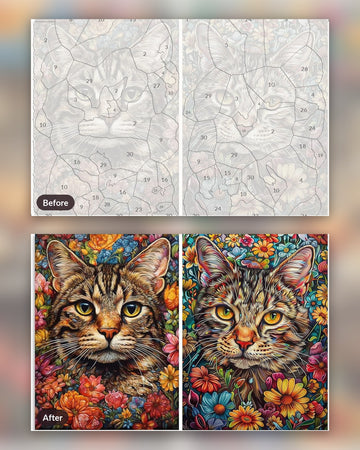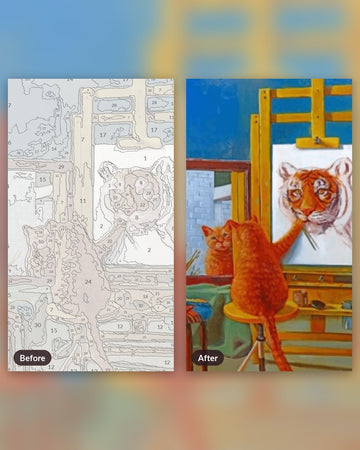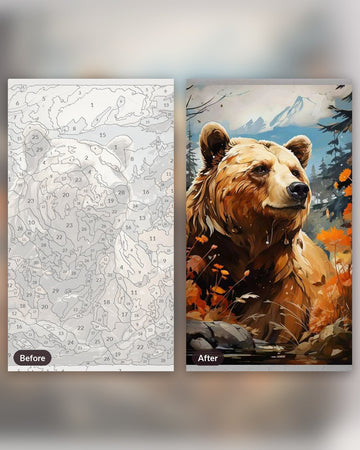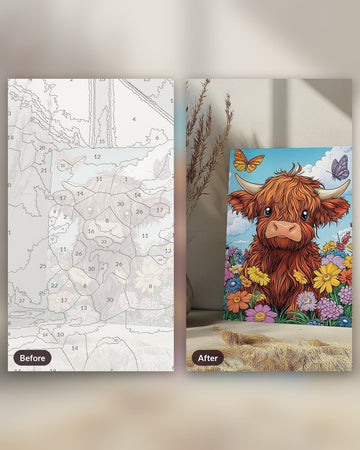
You have filled the last number, stepped back, and the canvas finally looks like the picture on the box. Then a question arrives that nobody mentioned while you were painting: do you need a picture sealer, and which one? Short answer, yes, it is worth doing. A sealer evens out the surface, guards the acrylic against dust and fingerprints, and decides whether the finished piece looks glossy or quiet.
The choice is smaller than the shelf in a craft shop suggests. Four decisions cover almost everything: how you apply it, which sheen you want, whether it stays clear over the years, and when you start. This guide takes them one at a time.
Quick picks
- Large canvas or lots of tiny sections: a spray sealer is quicker and leaves no brush marks.
- Small canvas, or a room where spraying is awkward: a brush-on sealer and a clean wide brush.
- Not sure about sheen: satin is the safe middle. Matte for glare-free walls, gloss for strong colour.
- Whatever you buy, read the label for "non-yellowing" and the drying time before you open it.
- Step-by-step application: our varnishing guide.
What a picture sealer does on a paint by numbers canvas
Acrylic kit paint dries with a slightly uneven surface. Some colours come out flatter, others have a faint shine, and the little numbers sometimes show through where you painted thinly. A sealer covers the whole canvas with one clear layer, so those differences calm down and the picture reads as a single piece.
It also protects. A sealed surface is easier to dust and less likely to mark when you handle the canvas while hanging it. It is not a repair product, though: it will not hide a visible number or fix a muddy colour, so look over the painting in good light before you seal.
Spray or brush: which application suits you
Spray cans cover a big surface fast and avoid brush strokes, which is handy on a 50 x 65 cm canvas with 48 colours. The price is practical: you need ventilation, ideally outdoors or by an open window, and something to protect the floor and walls from fine mist. Hold the can the distance the label tells you and keep moving.
A brush-on sealer, usually in a pot, needs nothing but a wide, soft, clean brush. It is easier to control near the edges and perfectly fine for a 30 x 30 cm or 40 x 50 cm canvas. The risk is streaks if you go back over a half-dry area, so work in one direction and in thin, even passes. If you need a brush for this, the painter extras set is a handy place to start.
Gloss, satin or matte
Gloss deepens colour and gives a bright, lively finish, but it reflects windows and lamps, so it suits a wall that does not face direct light. Matte removes reflections and gives a soft, flat look, which is kind to landscapes with a lot of sky. Satin sits between the two and rarely disappoints. Think about where the canvas will hang before you decide, not about the shelf label.
Non-yellowing: what to look for on the label
Some clear coatings warm up and turn slightly yellow with time, and that shows most on pale skies, snow and white fur. Look for wording such as "non-yellowing" or "UV resistant" and a product meant for acrylic paintings. We prefer not to promise anything about a specific product, so rely on what the manufacturer prints and test on a spare scrap of painted canvas if you have one.
When to apply it and how many coats
Wait until the paint is completely dry, not just dry to the touch. Thick areas stay damp underneath for longer than they feel, and sealing them early can cloud the finish. If you are unsure, leave the canvas flat overnight, then check again. Dust it softly and lay it flat in a clean room.
For the number of coats, the manufacturer's instructions win. Most people do one thin coat, let it dry for the time on the flask or can, and add a second thin coat if they want a more even sheen. Several thin layers behave better than one heavy layer. Let the last coat cure before you frame the canvas or hang it, again following the label.
Which finished canvases deserve a sealer first
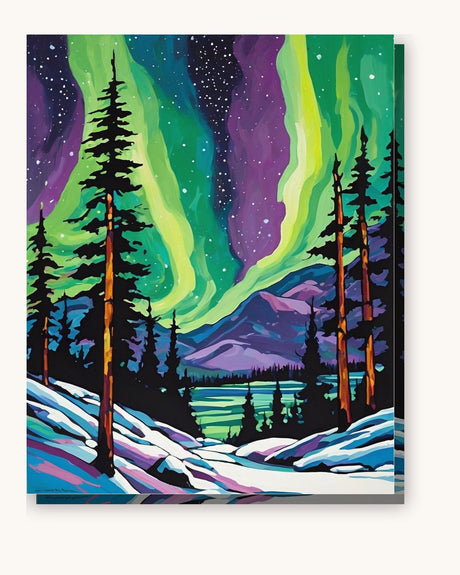
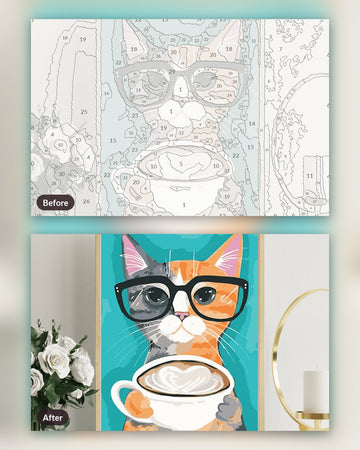
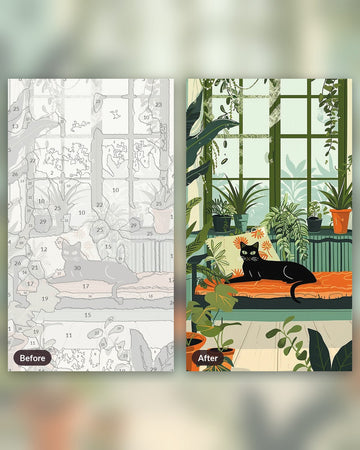
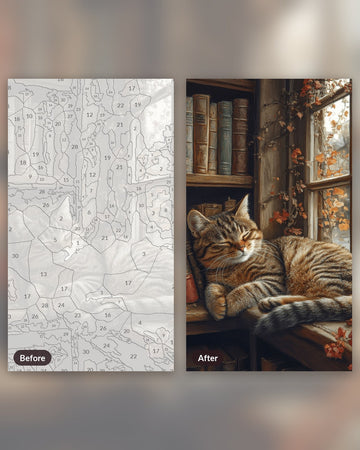
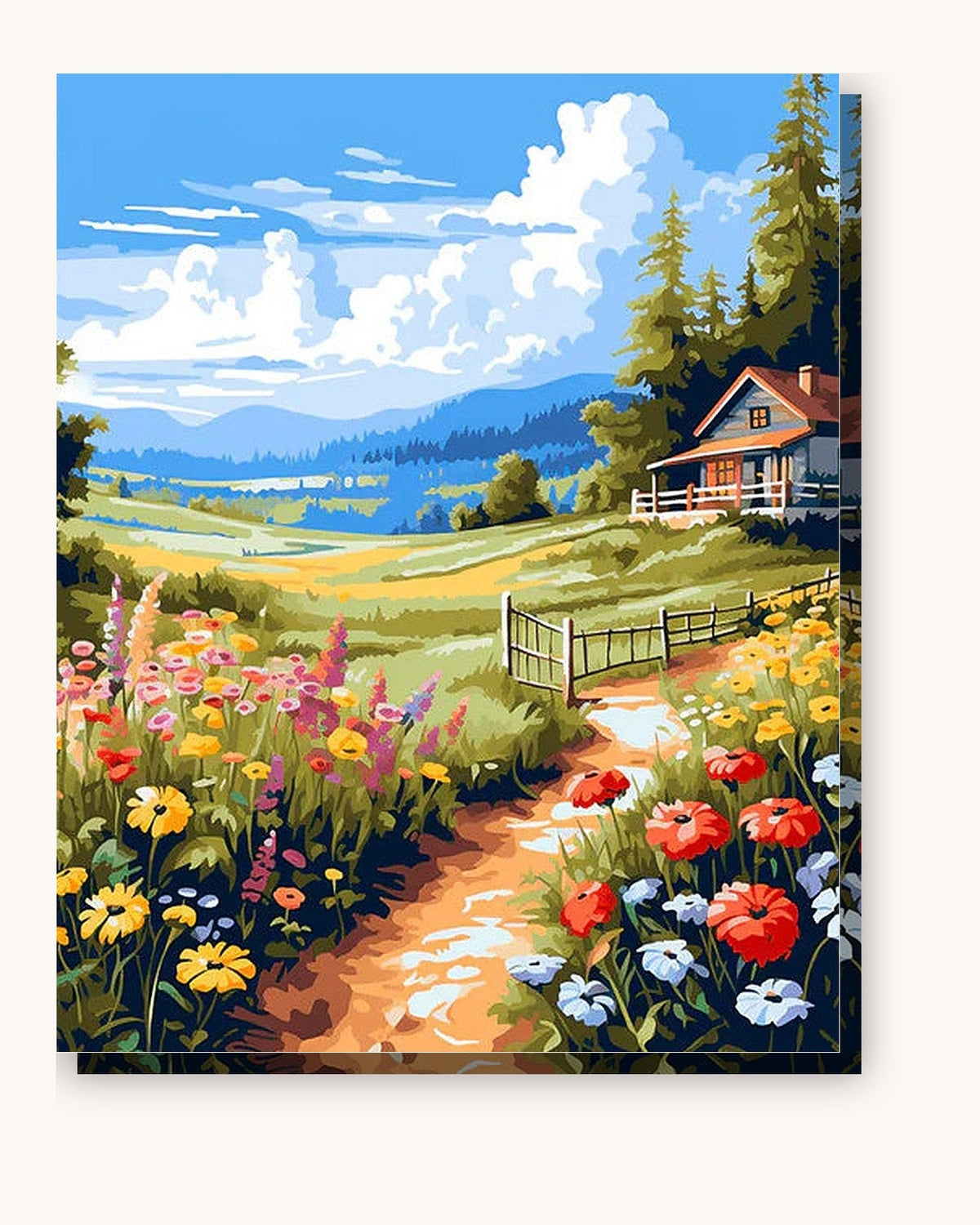
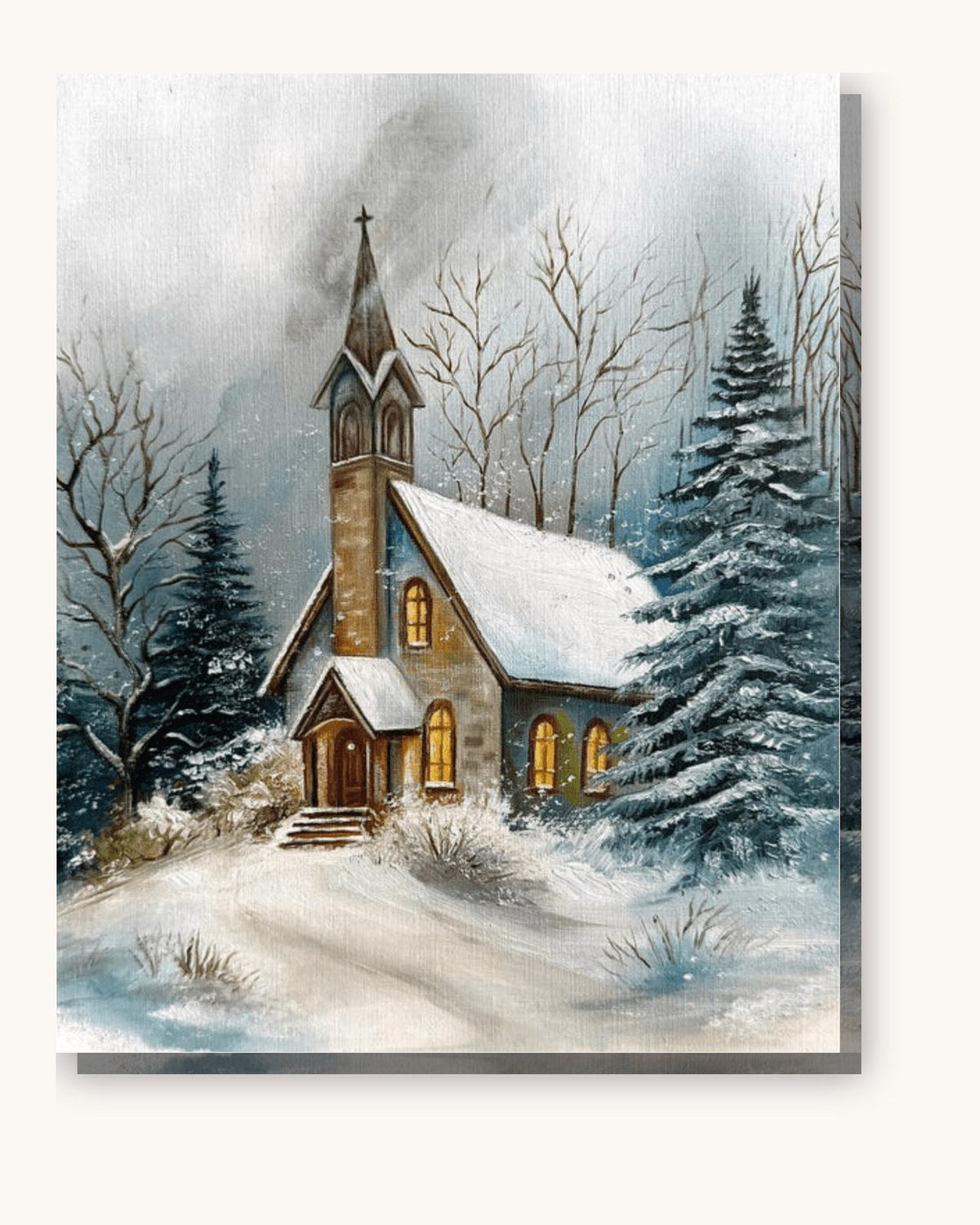
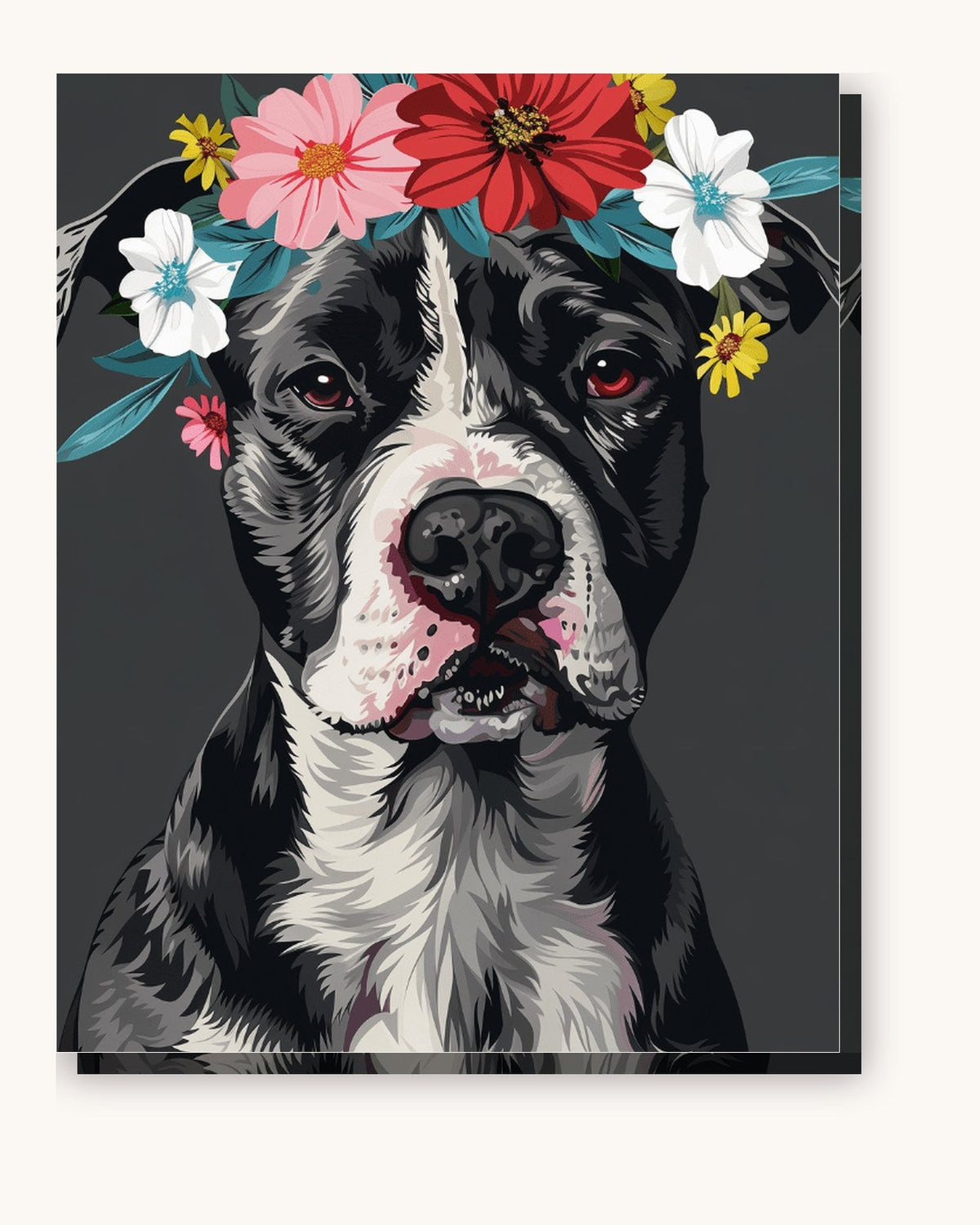
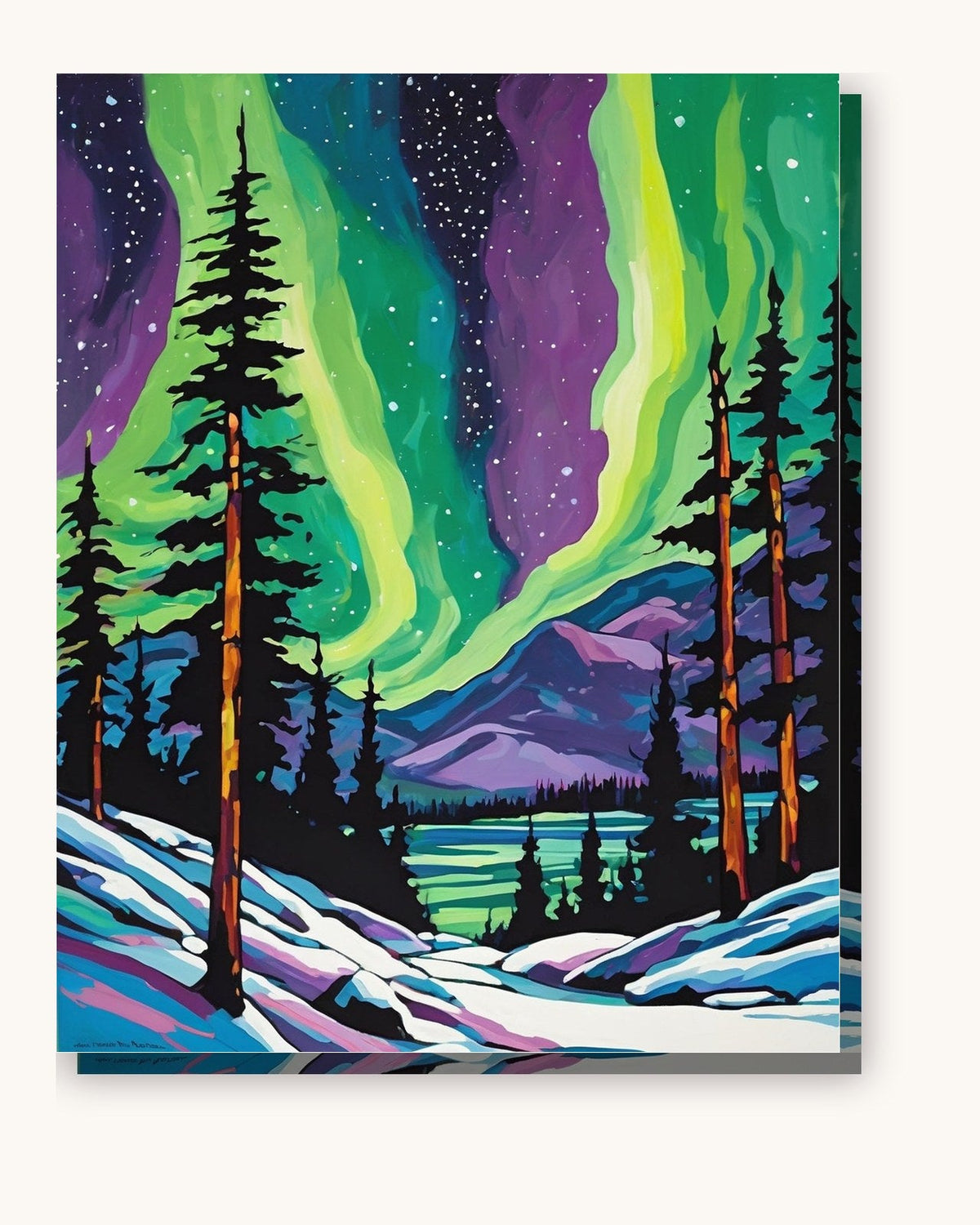
Seal anything that will hang in a kitchen, hallway or living room where it gets handled and dusted. Landscapes with big areas of one colour show uneven sheen the most, so a quiet scene such as Winter Snow Landscape, Ballooning Over the Peaks, Highland Whimsy or Radiant Peaks gains the most from an even coat. Animal canvases with soft fur, like Cute Baby Fox, Twin Wolves or Cat In Living Room, look best with satin or matte.
If you are still choosing your next canvas, browse the landscapes collection or the animals collection. And if you want a piece worth sealing and framing for a long time, turn one of your own photos into a custom kit.
Keep the frame separate from the sealing job: our canvases are framed at home, so you can seal first, wait out the drying time and hang it once everything is truly dry.