














Most of the people who ask this are renting, and the rest have plaster that crumbles or tile they are not putting a hole in. The good news is that a stretched cotton canvas is the lightest thing anyone hangs on a wall, which puts almost every no-drill method on the table.
Weight is the whole decision. A canvas with no frame is fabric and four lengths of pine, and even at the largest size it is a fraction of what a framed glass print weighs. Put it on a kitchen scale before you choose an adhesive, because every adhesive strip on the market is rated by weight and the rating is the only number that matters.
Painted plaster or plasterboard
Adhesive strips, the hook and loop kind that come apart when you pull a tab. Two pairs across the top of a small canvas, four pairs for anything at 16x20 inches or larger. Clean the wall with rubbing alcohol first and not with a household spray, because the residue from a surface cleaner is what causes strips to let go three weeks later.
Press for thirty seconds, then leave it an hour before hanging anything on it. That hour is in the instructions on every packet and it is the step everyone skips.
Wallpaper
Do not use adhesive strips. They hold perfectly well and then take the paper with them. Use a tension rod in an alcove, or a picture rail if the room has one, or lean the canvas on a shelf.
Tile, glass, gloss paint
These are the surfaces adhesive strips were designed for. Non porous, nothing to tear. A bathroom or a kitchen splashback is the easiest hanging job in the house, provided the surface is dry and degreased when you press the strip on.
Brick, breeze block, rough render
Nothing adhesive will hold. Brick clips that hook over a mortar course work without tools if the pointing is recessed. Otherwise lean it: a canvas on a mantelpiece or a run of picture ledges is a legitimate way to hang art and it is how most galleries show work in progress.
Leaning, which is underrated
A narrow shelf at chest height, canvases overlapping slightly, is faster than any hanging method, costs one shelf, and lets you change the arrangement in ten seconds. It also solves the problem of a wall you cannot touch at all. Several canvases together need the same spacing discipline as a hung group, and that is covered in our guide to arranging a gallery wall.
Before it goes up
Let the paint cure. Touch dry is fifteen minutes, properly cured is closer to two weeks, and a canvas pressed against a wall before it has cured can pick up texture from the paint film. If you want the surface protected, a spray varnish goes on after those two weeks and not before.
Check the canvas is square on the stretcher before you commit an adhesive strip to a position. Pulling a strip off to move a canvas an inch to the left is the one part of this that genuinely damages a wall.
What to hang
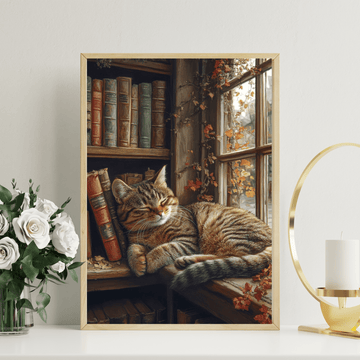
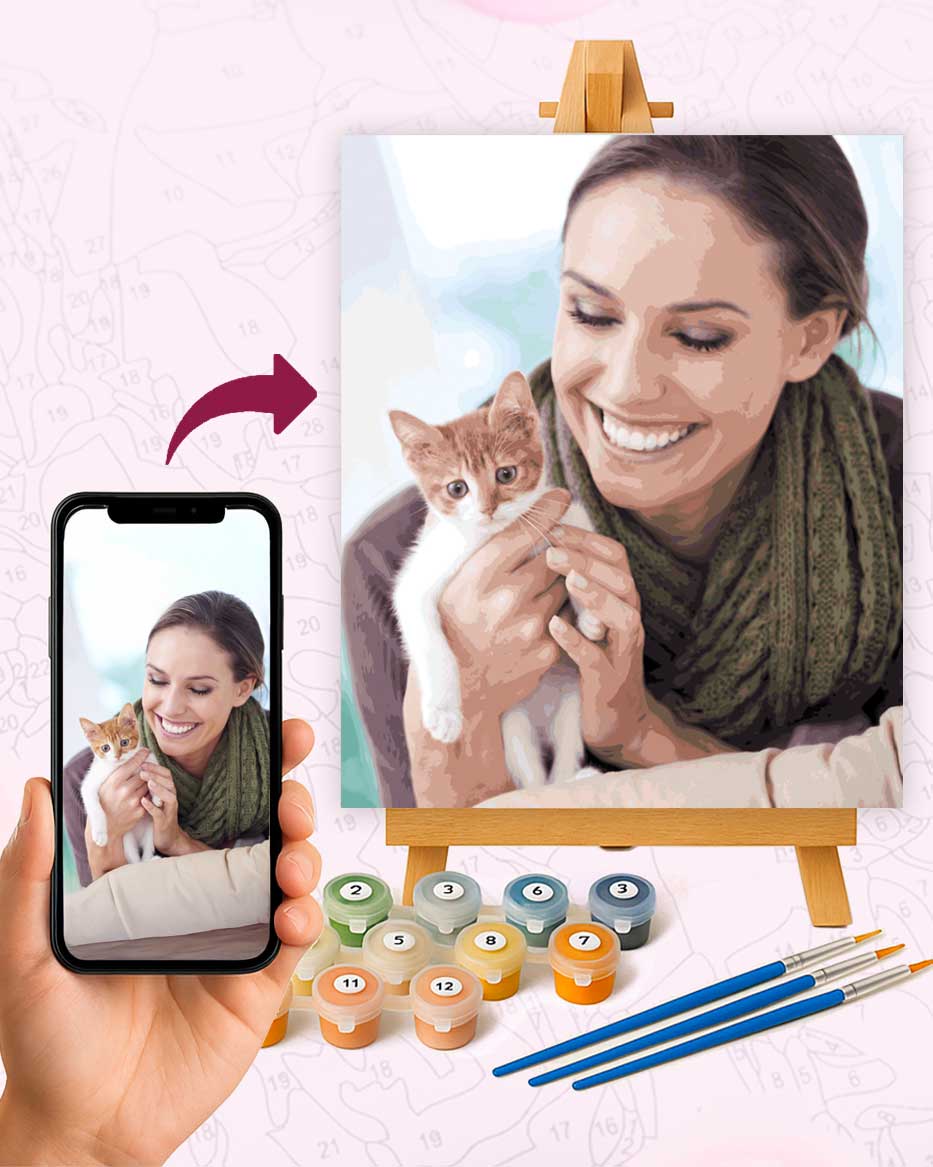
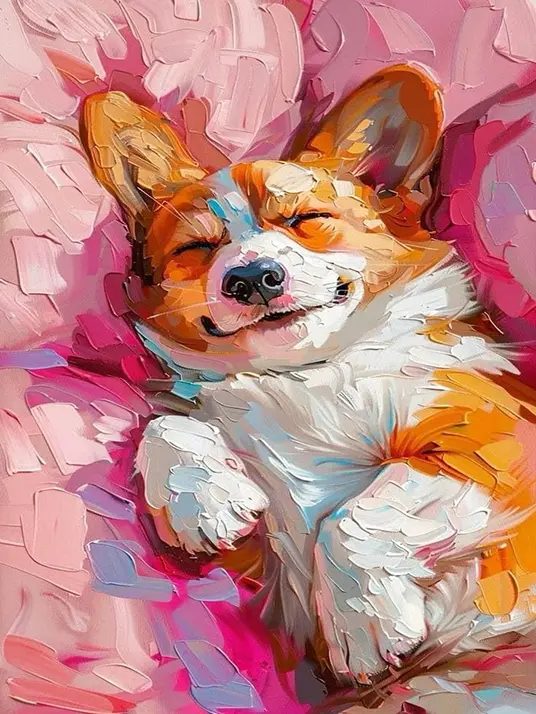
If the wall is empty because nothing has felt worth the holes, start with something forgiving. Bold and Free has large regions and strong colour and finishes in a couple of evenings, and the rest of the beginner friendly range is built the same way. A canvas made from your own photograph weighs exactly the same and hangs exactly the same way.
Free shipping to the US, Canada, the UK, the EU, Australia and New Zealand. Thirty days to return anything, prepaid label, full refund.