












Owls are deceptively hard, and I mean that as a compliment. All that feather detail looks intimidating on the printed canvas, but the numbering breaks it into small honest steps, and the payoff is one of the most rewarding finishes in the whole wildlife range.
The designs split neatly. You have the wise, front-facing barn owl or great horned owl, staring straight out with enormous eyes. You have the perched-on-a-branch autumn scene, warm browns and oranges, which is our biggest fall seller. And you have the whimsical or watercolor owl, softer edges, meant for a nursery or a kid's room. Pick based on where it is going to hang, not just which photo looks nicest online.
Want to paint this yourself?
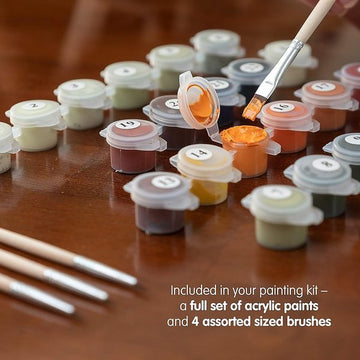
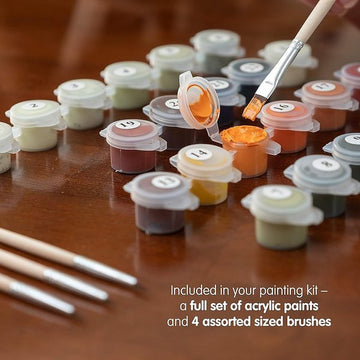
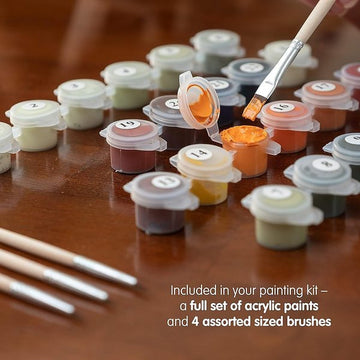
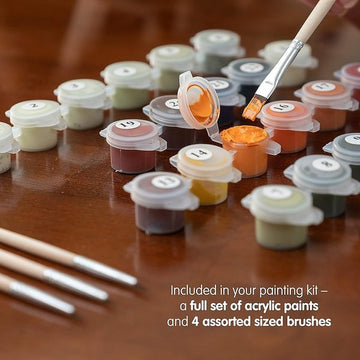
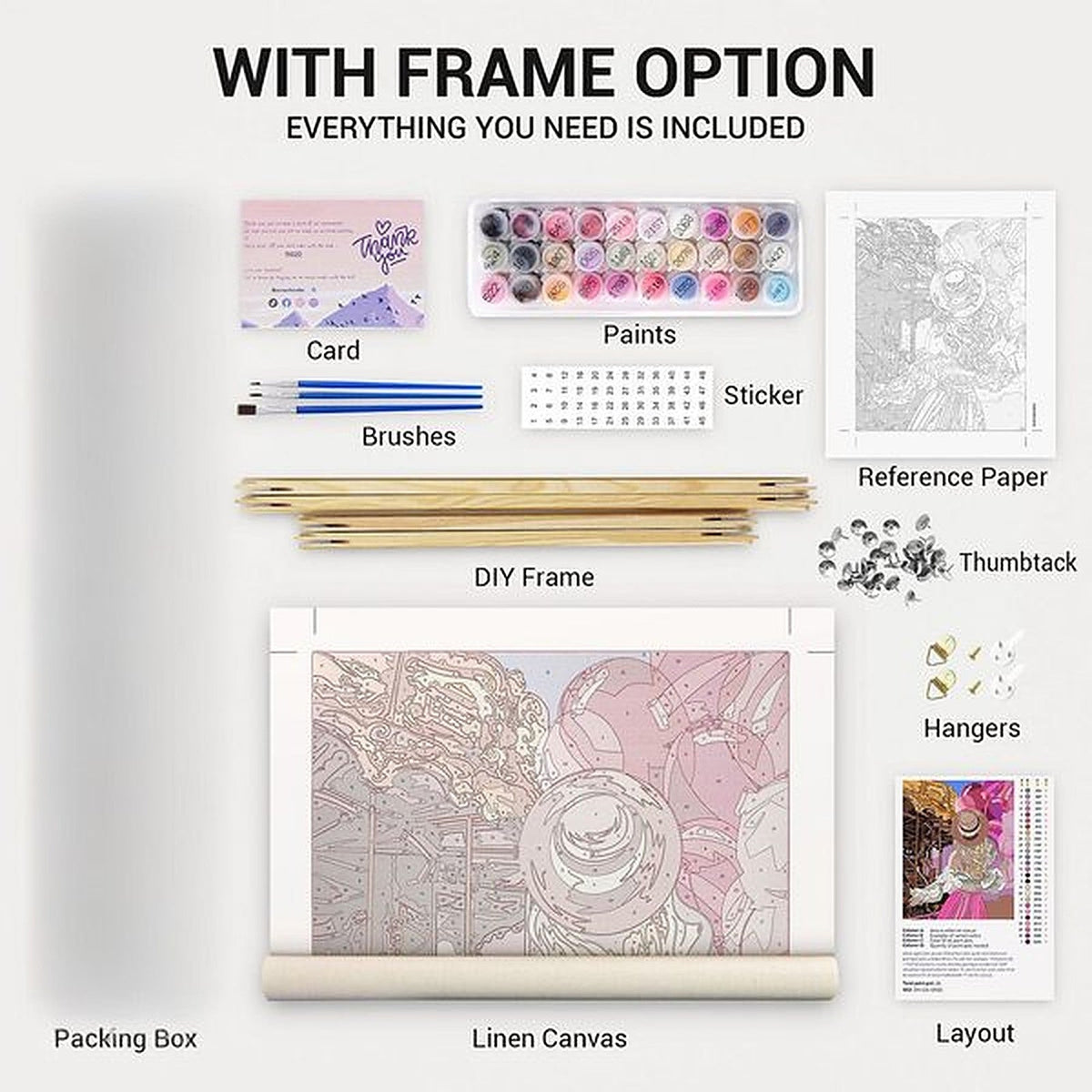
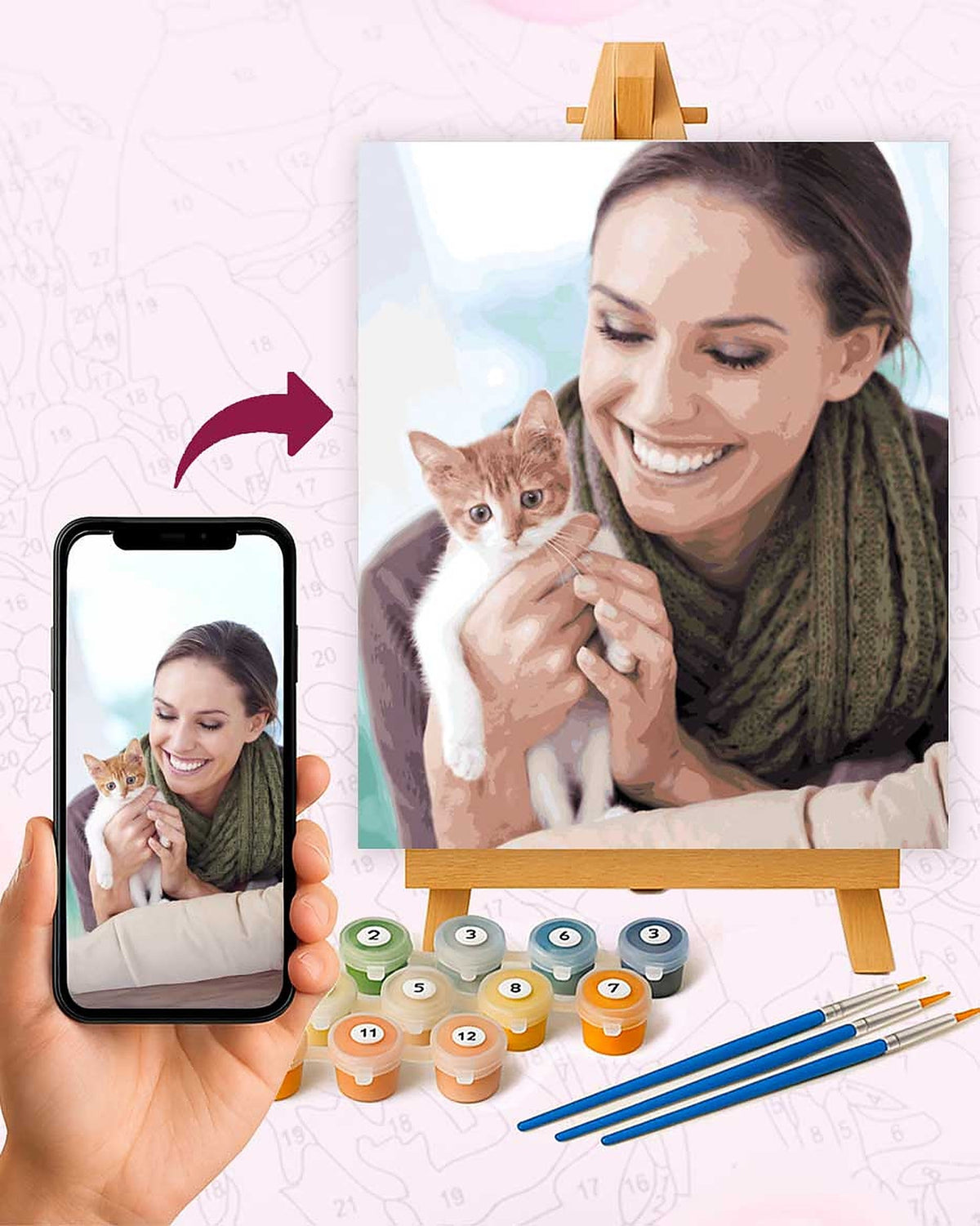
Turn one of your own photos into a numbered canvas (from $19.95). We trace it, mix the paints to match, and ship the kit with brushes.
Or pick a ready-made design:
- Polar Owl Premium Collection Canvas Art Kit (from $19.95)
- Steady Eyes Premium Collection Canvas Art Kit (from $19.95)
- Panthera Eyes Premium Collection Canvas Art Kit (from $19.95)
Feathers are just patience in small pieces
A typical owl kit is 40x50cm with 28 to 40 colors, and the feather areas are where most of those colors get used. The numbers are small and there are a lot of them. My advice is boring but it works: paint one full feather row before moving to the next, and rinse your brush properly between the browns so you do not muddy them. If your hand tends to slip past the lines in those tight spaces, the tips in our guide on painting small areas without bleeding will save you a lot of touch-up work.
Budget 14 to 20 hours for a detailed owl. The feathered kits genuinely take longer than a big-bodied animal like an elephant or a bear, because the work is granular. That is not a downside if you enjoy the meditative side of it. It is a downside if you wanted a quick weekend piece, in which case size down to 30x40cm.
The eyes carry the whole thing
An owl lives or dies by its eyes. They are big, round, and usually amber or gold with a black pupil and a white highlight. Paint them near the end, when the surrounding face is dry, and take your time layering the gold so it is not flat. The white catchlight goes on last with the tiniest brush. Get that right and the bird seems to actually look at you from across the room. Get it rushed and it looks stuffed.
Choosing your owl
For a first-timer, the perched autumn owl is the friendlier pick. Bigger zones in the branch and background, warmer forgiving colors, and the feathers are less dense than on a close-up portrait. Skittish about difficulty in general? Read how to choose the right difficulty level before you commit, because an owl portrait is a real intermediate project and there is no shame in working up to it.
All the owl designs sit in our animals and wildlife collection, alongside other nocturnal and woodland subjects. If owls scratch a specific itch for you, the moody, mystical energy carries straight over to our wolf kits, and the pair looks great together in a study or reading nook.
Planning it as a gift for someone bookish or a little witchy? Owls are a safe, well-loved choice. The boxed sets in our gift kits ship ready to wrap.
Worth painting?
Completely. An owl is the kind of piece people ask about, partly because the finished feather texture looks like far more skill than a paint by numbers kit requires. Start with a 40x50cm perched owl from the wildlife collection, keep a small brush and a steady lamp handy, and give the eyes the attention they deserve. That last white dot is the moment it comes alive.
Common questions
Are owl paint by numbers kits hard to paint?
An owl portrait is a genuine intermediate project because of the dense feather detail. A perched autumn owl with a bigger background is easier and a better first choice than a close-up face.
How long does an owl kit take?
Budget 14 to 20 hours for a detailed 40x50cm owl. The feather areas are granular and use most of the 28 to 40 colors, so the work is slower than a broad-bodied animal.
What is the hardest part of an owl kit?
The eyes. Paint them near the end over a dry face, layer the amber or gold so it is not flat, and add the white catchlight last with the smallest brush. That highlight is what makes the owl look alive.