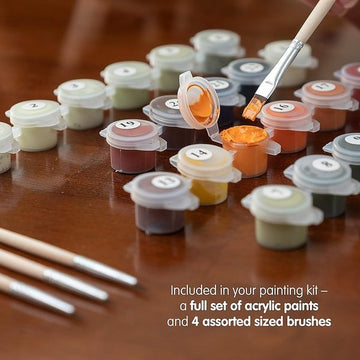



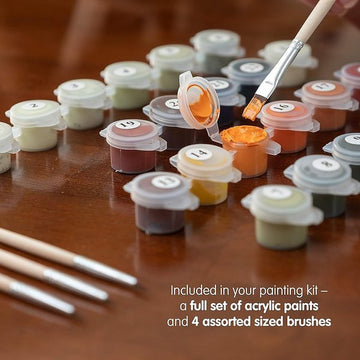

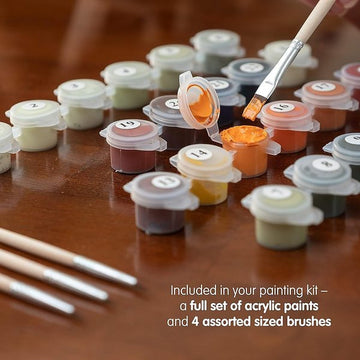

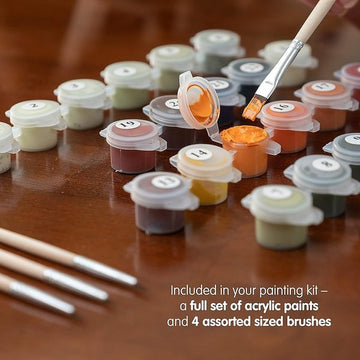









Nearly every paint by numbers kit you can buy today comes with acrylic paint. Water-based, pre-mixed, and sorted into small numbered pots so you never have to blend a thing. That is the short answer. The longer one is more interesting, because not all acrylic is created equal and a handful of kits break the mold entirely.
Why acrylic won
Acrylic dries fast, cleans up with plain water, and stays put once it cures. For a kit meant to land on a beginner's kitchen table, that combination is hard to beat. There is no turpentine, no lingering solvent smell, no waiting three days between layers. You dip, you fill a region, and by the time you have worked across the canvas the first sections are already touch-dry. On a 40x50cm canvas most people finish a painting session and come back the next evening to a surface that is completely set.
Want to paint this yourself?
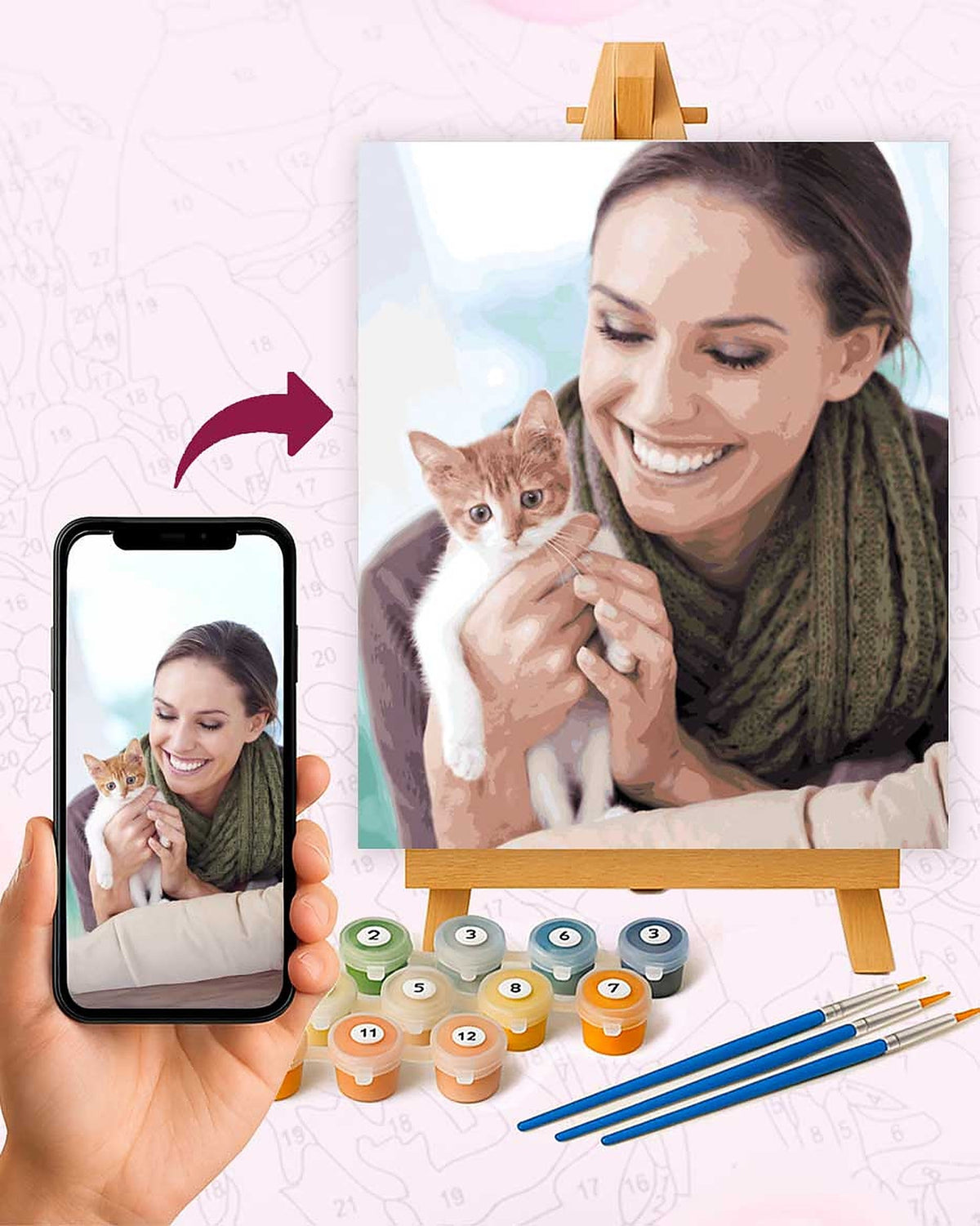
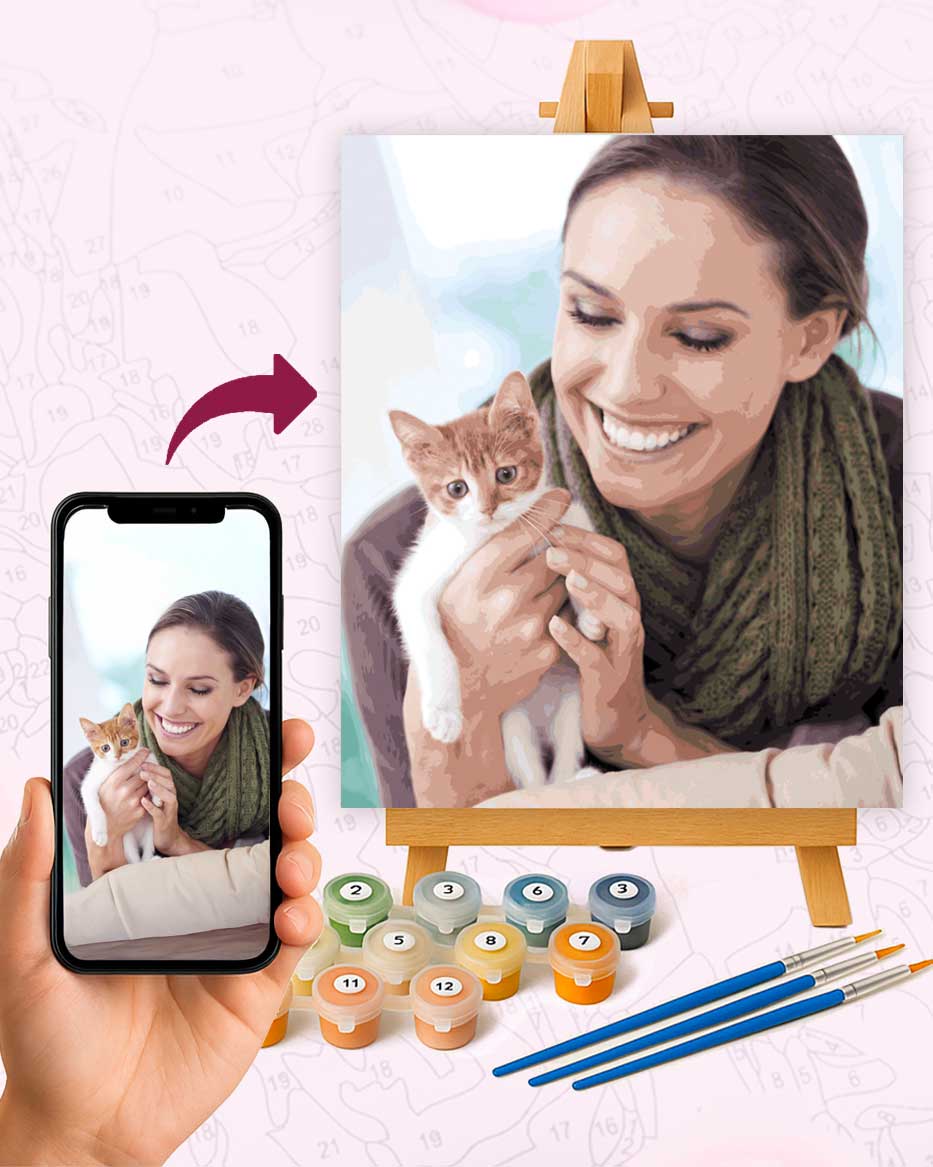
Turn one of your own photos into a numbered canvas (from $19.95). We trace it, mix the paints to match, and ship the kit with brushes.
Or pick a ready-made design:
- Acrylic Magic Bird Painting by Numbers Kit (from $19.95)
- Stockholm by the Water - Premium Art Kit (from $19.95)
- Series of Water Lillies Art Painting Kit (from $19.95)
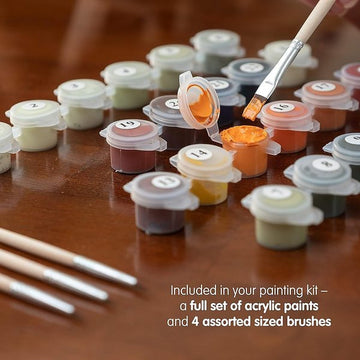
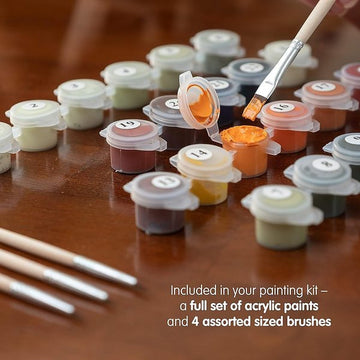
The paint arrives semi-opaque and slightly thick, roughly the consistency of soft yogurt. That thickness matters. It lets a single coat cover the printed numbers underneath, which is exactly what you want. Thin, runny paint is a red flag for a cheap kit, and it usually means you will be doing two or three coats per region just to hide the grid.
Pigment load separates the good from the forgettable
Here is where price shows up. Budget kits often stretch their pigment with filler and water, so color 14 looks washed out and needs a second pass. Better kits pack more actual pigment into each pot, so coverage is one and done and the finished piece has real depth. If you have ever wondered why one $19.95 kit looks flat and another looks like a small oil painting, this is usually the reason. Our acrylic vs oil breakdown digs into how the two behave differently on canvas.
The rare exceptions
Oil-based kits do exist, mostly aimed at experienced painters who want longer blending time and that buttery finish. They cost more, smell stronger, and take days to dry, so they are a niche choice. Some very cheap children's sets use tempera or a watery poster paint instead of true acrylic, which is fine for a rainy afternoon but chips and fades over the years. If longevity matters to you, stick with acrylic.
Living with acrylic: the practical stuff
Acrylic's one quirk is that it dries in the pot if you leave the lid off. Ten minutes of exposure and the surface starts to skin over. Keep every pot closed until you need it, and only open one number at a time. A drop or two of water can loosen paint that has thickened, though genuinely hardened paint is usually gone. We wrote a full rescue guide on reviving dried-out paint if you have hit that wall.
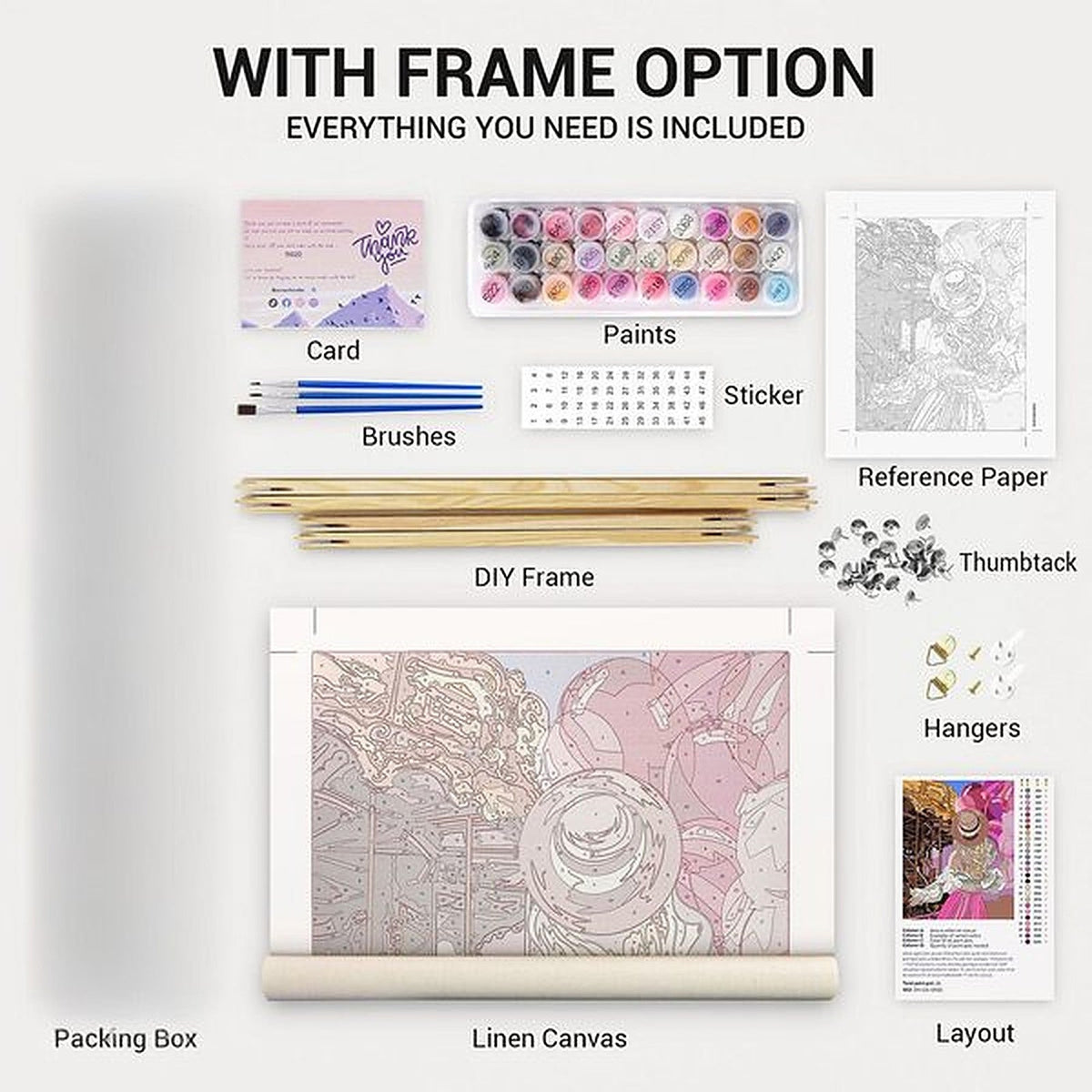
A typical kit ships with somewhere between 24 and 48 numbered pots. The paint itself is safe, non-toxic on reputable kits, and washes off skin and most fabric while wet. Once it dries on clothing, it stays, so an old shirt is your friend. Beyond the paint, the brushes and a little water cup are the only supplies you truly need, though a few extras help. Our rundown of supplies worth having on hand covers what actually earns its place on the table.
So what should you look for
When you shop, the paint is the part you cannot see in a photo, which is exactly why it is worth checking reviews for words like streaky, thin, or dried on arrival. A quality kit gives you thick, high-pigment acrylic that covers in one coat and stays vivid for years on the wall. That is the difference between a project you frame and one you quietly retire to a closet. If you are picking your first one, start with something in our beginner-friendly collection, where the paint quality is dialed in for people still learning their touch. Ready to browse more broadly? The best sellers are our proven, high-coverage kits.
Frequently Asked Questions
What kind of paint do paint by numbers kits use?
The vast majority of paint by numbers kits use water-based acrylic paint, pre-mixed into small numbered pots. Acrylic dries quickly, cleans up with water, and covers the printed numbers in a single coat, which makes it ideal for beginners.
Is the paint in paint by numbers kits toxic?
Paint from reputable brands is non-toxic and water-based. It washes off skin and most surfaces while wet. It is still smart to keep it away from small children and to wear old clothes, since dried acrylic is permanent on fabric.
Do any kits use oil paint instead of acrylic?
A small number of premium kits use oil paint for longer blending time and a richer finish, but they cost more, smell stronger, and take days to dry. Most kits, especially for beginners, use acrylic.
Why does my paint by numbers paint look thin and washed out?
Thin, watery paint usually means a low-pigment budget kit. Higher-quality kits pack more pigment into each pot so a single coat covers the numbers. If your paint is too thin, a second coat helps, but a better kit solves it at the source.