








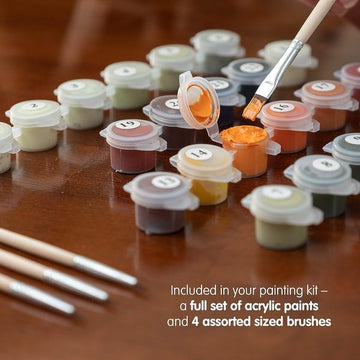

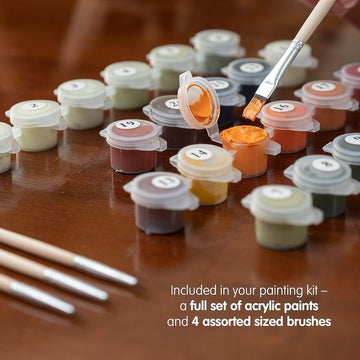



A gallery wall transforms a blank expanse of plaster into the most visually interesting feature of any room. When that gallery wall is composed of paintings you created yourself, it becomes something far more meaningful than a decorating choice. It becomes a personal exhibition that reflects your taste, your patience, and your creative investment. Paint by numbers art is ideally suited for gallery wall projects because you can select designs that share a cohesive theme, color palette, or style while still offering visual variety.
This guide walks through every step of planning, creating, and installing a gallery wall using paint by numbers canvases, from choosing complementary designs to hanging them in an arrangement that looks intentional and professional.
Planning Your Gallery Wall
Choose a Theme or Color Story
The most visually successful gallery walls share a unifying element. This does not mean every painting needs to look the same. It means there should be a thread connecting them. Popular approaches include:
- Color palette unity: Select designs that share two or three dominant colors. A collection of paintings featuring blues and greens creates a calming coastal feel. Warm earth tones produce a cozy, organic atmosphere.
- Subject matter theme: All landscapes, all florals, all animals, or all cityscapes. Thematic consistency gives the wall a collected, curated appearance.
- Mixed eclectic: Combine different subjects and styles but unify through consistent framing. This approach works well with varied paint by numbers designs because the consistent medium (acrylic on canvas) provides inherent cohesion.
- Personal narrative: Combine custom kits from personal photos with standard designs that complement them. A custom pet portrait alongside animal-themed paintings from our collections tells a story.
Determine the Wall Space
Measure the wall area you intend to fill. A gallery wall looks best when it occupies roughly two-thirds to three-quarters of the available wall space. Mark the boundaries with painter's tape to visualize the footprint before committing to any arrangement.
Consider the furniture below the wall. A gallery wall above a sofa should span approximately the width of the sofa. Above a console table, match the table width. In a hallway, the arrangement can extend the full length for maximum impact.
Select Your Canvas Sizes
Visual interest comes from size variation. A gallery wall composed entirely of identically sized canvases can look monotonous. Aim for a mix of two or three different sizes. A common effective ratio is one or two larger focal pieces surrounded by several smaller complementary paintings.
Our Buy 2 Get 1 Free offer makes it economical to acquire multiple canvases for a gallery wall project. Order kits in different sizes to create visual rhythm, and the free third kit adds another dimension to your arrangement.
Gallery Wall Layouts That Work
The Grid
The simplest and most structured arrangement places canvases in a uniform grid with equal spacing between each piece. This works best with same-sized canvases and creates a clean, modern aesthetic. Spacing of 5 to 7 centimeters between frames is standard for grid layouts.
The Salon Style
Named after the floor-to-ceiling arrangements in Parisian salons, this layout mixes sizes and orientations in an organic cluster. The key to making salon style work is maintaining consistent spacing despite the varied sizes. Start by placing your largest piece slightly off-center, then build outward, balancing visual weight across the arrangement.
The Horizontal Line
Align the center points of all canvases along a single horizontal line. This works particularly well in hallways and above long furniture pieces. The top and bottom edges will be staggered if your canvases vary in height, creating visual interest while maintaining order.
The Column
A vertical stack of three to five canvases works beautifully in narrow wall spaces, between windows, or flanking a doorway. Use same-width canvases for a clean column or vary widths slightly for a more dynamic effect.
The Asymmetric Balance
This is the most design-forward approach. Place a large piece on one side and balance it with two or three smaller pieces on the other. The visual weight should feel balanced even though the arrangement is not symmetrical. This creates a contemporary, gallery-worthy display.
Preparing Your Canvases
Finishing Touches
Before hanging, ensure all paintings are completely dry. Apply a clear acrylic varnish to each canvas for UV protection and to unify the surface sheen across all pieces. Choose the same finish, whether matte, satin, or gloss, for every canvas in the group to maintain visual consistency.
Edge Treatment
If you plan to hang canvases without frames, consider painting the edges. Wrapping the painted design around the canvas edges gives a polished, intentional look. Alternatively, paint the edges a solid color, black for drama, white for a clean gallery feel, or a color pulled from the painting itself.
Framing Options
Frames are not required but they do elevate the presentation. For a cohesive gallery wall, use the same frame style and color across all pieces. This is the single most effective way to make disparate paintings look like a curated collection. Simple black or natural wood frames work with virtually any design and decor style.
Floating frames, which reveal a gap between the canvas edge and the frame, add a contemporary gallery touch. Traditional frames with matting add formality and are ideal for more classic interiors.
The Paper Template Method
Before drilling any holes, use this professional technique to perfect your arrangement:
- Cut paper templates the exact size of each canvas or framed piece.
- Label each template with the painting it represents.
- Attach the templates to the wall with painter's tape in your planned arrangement.
- Step back and evaluate the layout from the normal viewing distance for the room.
- Adjust spacing, swap positions, and experiment until the arrangement feels right.
- Mark hanging points through the paper templates, then remove them and install your hardware.
This method eliminates unnecessary holes in your wall and gives you confidence that the final arrangement will look exactly as planned.
Hanging Hardware and Techniques
For stretched canvases without frames, sawtooth hangers attached to the back of the stretcher bar are the simplest solution. For framed pieces, D-ring hangers with picture wire provide adjustability for level alignment. Use a laser level or a long spirit level to ensure your hanging points are precisely aligned, especially for grid layouts where any deviation is immediately visible.
Command strips are an excellent option for renters or anyone who wants to avoid wall damage. Modern adhesive strips support significant weight and allow repositioning if you change your mind about the arrangement.
Building Your Collection Over Time
A gallery wall does not need to be completed in a single effort. In fact, building it gradually over weeks or months adds to the experience. Start with three or four pieces and leave space for future additions. Each new painting you complete expands the gallery and refreshes the visual impact of the wall.
This approach also allows you to develop your technique across multiple paintings. You may find that your later pieces show visible improvement in brushwork and color application, which adds an authentic progression narrative to your personal gallery.
Browse our full range of designs to plan your gallery wall collection. With Free Worldwide Shipping on every order and Buy 2 Get 1 Free across all kits, building an impressive gallery wall is both achievable and affordable. Start with designs that excite you, and let your collection grow into a wall you are genuinely proud of.