













- Why Displaying Your Finished Paint by Numbers Matters
- Choosing the Right Frame for Your Artwork
- Creating a Gallery Wall with Paint by Numbers
- The Floating Frame Display Technique
- Canvas Stretching for a Professional Look
- Using Easels and Stands for Tabletop Display
- Lighting Your Paint by Numbers for Maximum Impact
- Grouping and Arranging Multiple Finished Pieces
- Seasonal Rotation of Your Art Collection
- Protecting Your Finished Artwork Long-Term
- Creative and Unexpected Display Ideas
- Frequently Asked Questions
Why Displaying Your Finished Paint by Numbers Matters
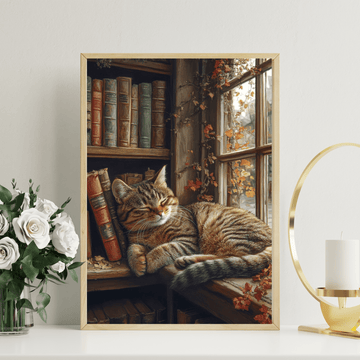
Completing a paint by numbers kit represents hours of careful, focused effort. Every brushstroke builds toward a finished piece that carries personal significance far beyond its visual appeal. Yet many painters tuck their completed canvases into closets or leave them leaning against walls, never fully appreciating the work they put in. Displaying your finished paint by numbers transforms it from a hobby project into genuine wall art that enhances your living space and sparks conversation with every visitor who walks through your door.
The satisfaction of seeing your completed artwork hanging in a prominent location cannot be overstated. It serves as a daily reminder of your creative capabilities and provides a sense of accomplishment that lingers long after the final section has been filled. Whether you have completed a single landscape or have built an entire collection of animal and wildlife paintings, each piece deserves a proper showcase that does justice to the hours you invested in its creation.
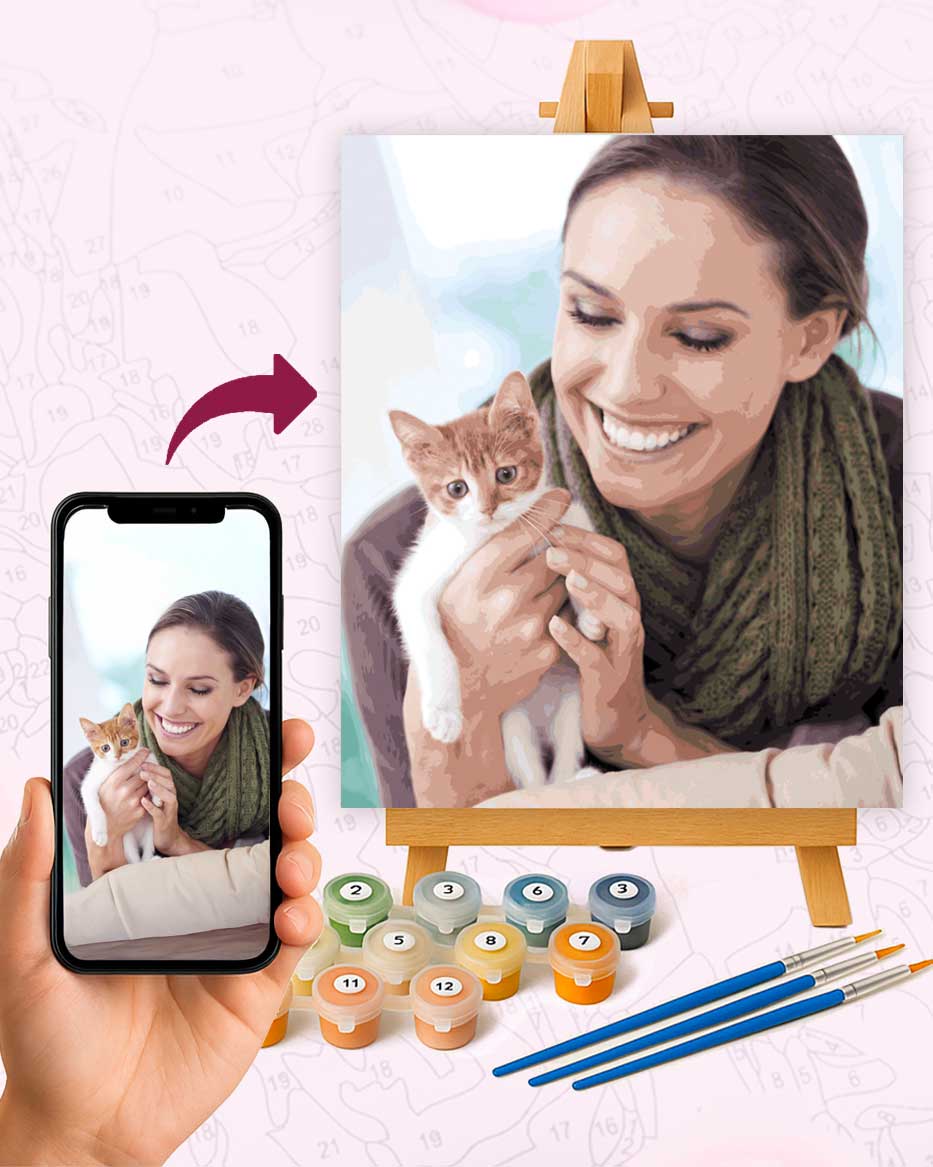
Want to paint this yourself?
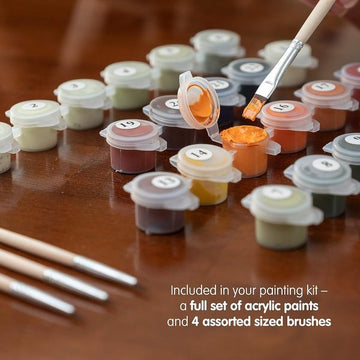
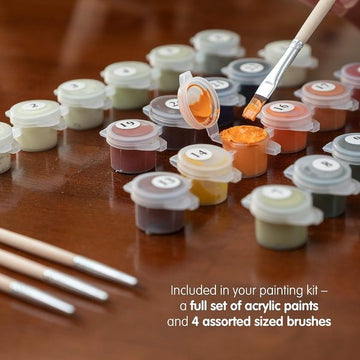
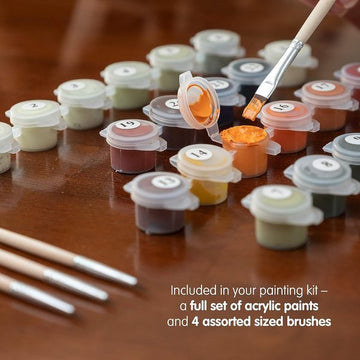
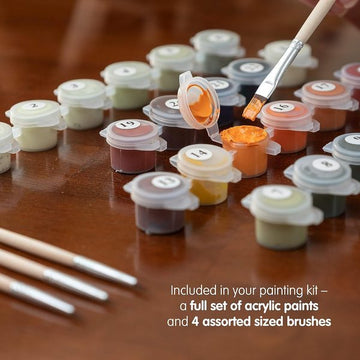
Turn one of your own photos into a numbered canvas (from $19.95). We trace it, mix the paints to match, and ship the kit with brushes.
Browse the 500 ready-made designs if you would rather start from a painting we already drew.
Professional display also increases the perceived value of your work. When properly framed and lit, a paint by numbers piece is virtually indistinguishable from a hand-painted original to the untrained eye. Visitors will often ask where you purchased your art, giving you the opportunity to share your creative journey. This guide walks you through twelve proven display methods that will make your finished paintings look gallery-worthy without breaking the bank. From classic framing to innovative modern approaches, you will find the perfect method for every painting in your collection.
Choosing the Right Frame for Your Artwork
Frame selection is the single most impactful decision you will make when displaying your paint by numbers. The right frame elevates the entire piece, while a poor choice can diminish even the most beautifully painted canvas. Start by considering the overall style of the room where the painting will hang. Modern, minimalist spaces benefit from thin black or white frames, while traditional rooms pair well with ornate wooden frames in gold, walnut, or mahogany tones. The frame acts as a visual bridge between your artwork and the surrounding decor, so harmony between these elements is essential.
The size of the frame matters just as much as its style. A frame that is too narrow will look flimsy next to a large canvas, while an oversized frame can overwhelm a smaller piece. As a general guideline, choose a frame width that is proportional to the canvas dimensions. For a standard 16x20 inch paint by numbers canvas, a frame width between one and three inches works well. Larger pieces from our landscapes collection may benefit from wider frames that anchor them visually on the wall and give them the prominence they deserve.
Material choice plays a significant role in the final presentation. Solid wood frames offer durability and a premium feel, making them ideal for pieces you plan to display permanently. Metal frames provide a sleek, contemporary look at a lower price point. For budget-conscious painters, composite frames from craft stores can look remarkably similar to wood when finished properly. Avoid cheap plastic frames, as they tend to warp over time and cheapen the overall appearance of your artwork regardless of how well the painting itself was executed.
Consider adding a mat board between the frame and canvas for an extra layer of sophistication. A two-inch mat in a neutral tone creates visual breathing room around the painting and draws the eye inward toward the subject matter. This technique works particularly well for floral and botanical pieces where delicate details benefit from the additional separation from the frame edge. Mat boards are inexpensive and available in hundreds of colors at any craft store, allowing precise customization.
Creating a Gallery Wall with Paint by Numbers
A gallery wall transforms a blank expanse into a curated art installation that tells your creative story over time. The key to a successful gallery wall lies in planning the layout before hammering a single nail. Start by laying your framed pieces on the floor, arranging and rearranging until you find a composition that feels balanced and visually engaging. Mix different sizes and orientations for visual interest, combining portrait and landscape pieces from various collections in a way that creates rhythm without chaos.
The most popular gallery wall layouts include the grid arrangement, where identically sized frames are hung in neat rows and columns, and the salon style, where frames of varying sizes are clustered organically around a central piece. For paint by numbers artists, the salon style often works best because it allows you to combine pieces from different kits and time periods without worrying about perfect symmetry. The organic arrangement celebrates variety while the consistent framing creates unity.
Spacing between frames should remain consistent throughout the arrangement, typically between two and three inches. Use paper templates cut to the size of each frame and tape them to the wall before committing to nail placement. This simple step prevents unnecessary holes and ensures your layout translates well from floor to wall. Include pieces from our seascape collection alongside landscapes and abstracts for a diverse, visually rich display that demonstrates the range of your creative abilities.
Consider the wall color behind your gallery arrangement. A neutral white or light gray background allows colorful paintings to pop, while a dark accent wall can create dramatic contrast that feels gallery-professional. If your paint by numbers pieces share a common color palette, a gallery wall amplifies the cohesion and makes the collection feel intentionally curated rather than randomly assembled over time.
The Floating Frame Display Technique
Floating frames represent one of the most elegant ways to display a paint by numbers canvas. Unlike traditional frames that press against the canvas edge, a floating frame leaves a narrow gap between the canvas and the frame, creating the illusion that the artwork is suspended in mid-air. This modern display method adds depth and dimension to any piece while highlighting the canvas texture and painted edges that standard framing typically conceals from view.
To create a floating frame effect, you need a frame with an interior depth that matches your canvas thickness and an opening slightly larger than the canvas itself. The canvas is mounted inside the frame using offset clips or small L-brackets attached to the back of the stretcher bars. The resulting quarter-inch gap on all sides catches shadow and light throughout the day, adding visual interest that standard framing cannot achieve regardless of how ornate the frame itself might be.
Floating frames work exceptionally well with abstract paint by numbers pieces where edge colors and textures contribute to the overall composition. They also suit larger canvases where a traditional frame might feel heavy or overwhelming. Many contemporary galleries use this exact technique for canvas art, so adopting it for your paint by numbers work instantly elevates the presentation to a professional standard that impresses viewers.
You can purchase pre-made floating frames from most craft stores or online retailers, or build your own using simple lumber and basic tools. Starting at just $19.95, our premium kits produce canvases that look stunning in floating frames. The thin shadow gap created by the floating mount adds a subtle but powerful design element that transforms your painting from craft project to gallery-quality wall art with minimal additional investment.
Buy 2 Get 1 Free on All Paint by Numbers Kits: Limited Time Offer
Canvas Stretching for a Professional Look
Many paint by numbers kits arrive with canvases that are either rolled or folded, which can leave creases and wrinkles that detract from the finished display. Professional canvas stretching eliminates these imperfections and provides a taut, gallery-ready surface. While some painters prefer to stretch their canvas before painting, stretching after completion works equally well and can actually help pull minor imperfections smooth across the surface.
To stretch your completed canvas, you will need wooden stretcher bars sized to your canvas dimensions, a staple gun, canvas pliers, and a flat work surface. Begin by laying the canvas face-down on a clean surface and centering the stretcher bar frame on top. Starting from the center of each side, pull the canvas taut over the edge and staple it to the back of the stretcher bar. Work outward from the center in alternating sides to maintain even tension across the entire surface without distortion.
Pay special attention to the corners, where excess canvas needs to be folded neatly. Hospital corners, similar to the technique used in bed-making, produce clean, professional results that look tidy from any angle. Alternatively, mitered corners create a more tailored look but require slightly more skill and patience. Once stretched, the canvas can be hung directly on the wall without any frame at all, allowing the painted edges to serve as a natural border that gives the piece a contemporary feel.
Gallery-wrapped canvases, where the image extends around the sides, look particularly striking when stretched and hung without frames. If your paint by numbers design has white or unpainted edges, consider painting them a solid color that complements the main image before stretching. A deep charcoal or the dominant background color from the painting itself creates a polished, finished appearance that looks intentional and professional.
Using Easels and Stands for Tabletop Display
Not every painting needs to hang on a wall. Tabletop easels and display stands offer versatile alternatives that work beautifully on mantels, bookshelves, side tables, and desks. Small decorative easels in wood or metal can hold completed paint by numbers canvases at an attractive angle, turning any flat surface into an instant art display that draws the eye and adds character to previously overlooked spaces in your home.
Plate stands, typically used for decorative dishes, work surprisingly well for smaller paint by numbers canvases. These inexpensive stands are available in various sizes and finishes, and their subtle design keeps the focus on the artwork rather than the display mechanism. For larger pieces, floor-standing easels make bold statements in living rooms and entryways, giving your home the feel of an artist studio where creativity is valued and celebrated.
Rotating your easel displays seasonally keeps your decor feeling fresh without requiring wall modifications. Place a floral botanical piece on a living room easel during spring, swap it for a beach scene in summer, transition to autumn foliage in fall, and finish the year with a cozy winter landscape. This approach allows you to showcase more of your completed collection throughout the year without committing additional wall space or adding new nail holes.
Desk easels bring art into your workspace, providing visual relief during long working hours and personalizing an otherwise utilitarian environment. A small completed canvas on a desk easel serves as both decoration and a reminder of the creative satisfaction that awaits when the workday ends. Choose calming subjects like gentle landscapes or serene seascapes for workspace display to promote focus and reduce stress during demanding tasks.
Free Worldwide Shipping on Every Order: No Minimum Required
Lighting Your Paint by Numbers for Maximum Impact
Proper lighting transforms a good display into a spectacular one that stops viewers in their tracks. The way light falls on a painting affects color perception, shadow depth, and overall visual impact in ways that many home decorators underestimate. Natural light from nearby windows provides the most authentic color rendering, but direct sunlight should be avoided as it can fade pigments over time. Position your paintings on walls that receive indirect natural light for the best balance of visibility and preservation.
For dedicated art lighting, picture lights that mount directly above the frame cast a focused beam downward across the canvas surface. LED picture lights are the preferred choice for most home displays because they produce minimal heat, consume little energy, and are available in various color temperatures. A warm white light between 2700K and 3000K enhances the warmth of traditional subjects like landscapes and portraits, while a neutral 4000K light works better for modern and abstract pieces where color accuracy matters most.
Track lighting and adjustable recessed lights offer more flexibility, allowing you to direct light precisely where it needs to fall. Position the light at a 30-degree angle from the wall to minimize glare on glossy or varnished surfaces. If you have completed and varnished your paint by numbers with a matte finish, you have more freedom with lighting angles since there will be minimal reflection to manage regardless of the light source position.
Accent lighting using LED strip lights behind the canvas can create a dramatic halo effect that makes the painting appear to glow against the wall. This technique works particularly well in dimmer rooms or hallways where the backlit glow draws attention to the artwork from a distance and creates an atmospheric quality. Installation requires only adhesive-backed LED strips and a small battery pack or plug-in power source, making it one of the most affordable dramatic lighting solutions available.
Free Worldwide Shipping on Every Order: No Minimum Required
Grouping and Arranging Multiple Finished Pieces
If you have completed multiple paint by numbers kits, strategic grouping creates a more powerful visual statement than scattering individual pieces throughout your home without connection or intention. Thematic grouping is the most straightforward approach. Hang all of your animal and wildlife paintings together in a hallway, or cluster your seascape pieces in a bathroom where the ocean theme feels natural and contextually appropriate for the space.
Color-coordinated grouping arranges pieces by their dominant palette rather than subject matter. A collection of paintings sharing blue and white tones creates a cohesive display even when the subjects range from ocean scenes to winter landscapes to abstract compositions. This approach is particularly effective in rooms with a strong color scheme, as the grouped paintings reinforce the overall design direction and feel like an intentional collection.
Diptych and triptych arrangements take grouping to the next level of sophistication. Select two or three paint by numbers designs from the same collection that share similar styles or color palettes and hang them side by side with consistent spacing. The result mimics expensive multi-panel art installations found in high-end decor stores and professional design magazines. Our cities collection includes several designs that pair beautifully as diptychs for urban-themed displays.
Vertical stacking works well in narrow spaces like stairwells or between windows. Arrange three small canvases in a column with equal spacing between each piece, creating a tall display that draws the eye upward and makes ceilings feel higher. This technique maximizes display area in rooms where horizontal wall space is limited and provides a modern, gallery-inspired look that transforms otherwise unused vertical space into a design feature.
Seasonal Rotation of Your Art Collection
One of the great advantages of building a paint by numbers collection is the ability to rotate your displays with the seasons, keeping your home feeling alive and connected to the natural world outside. Seasonal rotation keeps your home decor feeling dynamic and gives you a reason to complete new kits throughout the year, maintaining your creative practice as an ongoing part of your lifestyle rather than a one-time hobby experiment.
Spring calls for floral and botanical designs with bright, cheerful colors that echo the renewal happening outside your windows. Summer invites beach scenes, tropical landscapes, and vibrant sunsets that capture the warmth and energy of the longest days. Autumn is the perfect time for harvest scenes, golden landscapes, and warm-toned abstracts that mirror the changing foliage. Winter completes the cycle with snowy landscapes, cozy cabin scenes, and cool-toned cityscapes that embrace the quiet beauty of the cold months.
Store off-season paintings carefully to preserve their condition for future display rotations. Wrap each canvas in acid-free tissue paper and store flat or upright in a cool, dry location away from direct light and extreme temperatures. Avoid stacking canvases face-to-face without protection, as paint surfaces can stick together in humid conditions and cause irreparable damage when separated.
Seasonal rotation also provides natural motivation to continue painting year after year. Knowing that you need a new winter piece before December or a fresh spring painting before April gives each project purpose and a natural deadline. Over time, you build a comprehensive collection that makes seasonal decorating effortless and deeply personal, reflecting years of creative investment in your living environment.
Buy 2 Get 1 Free on All Paint by Numbers Kits: Limited Time Offer
Protecting Your Finished Artwork Long-Term
Proper protection ensures your paint by numbers artwork remains vibrant and beautiful for years or even decades of display and enjoyment. The most effective protection method is varnishing, which creates a transparent barrier over the painted surface that guards against dust accumulation, UV fading, moisture absorption, and physical damage from incidental contact. Every hour you invested in painting deserves the protection that a quality varnish coat provides to your finished work.
Beyond varnishing, the location where you hang your artwork significantly impacts its longevity and color stability. Avoid hanging paintings in direct sunlight, near heating vents, or in high-humidity areas like bathrooms without proper ventilation systems. Temperature fluctuations cause canvas expansion and contraction that can crack paint over time and weaken the canvas fibers. Maintain consistent room temperature and moderate humidity levels where your most valued pieces are displayed.
Regular dusting prevents buildup that can dull colors and attract moisture to your painted surfaces. Use a soft, dry microfiber cloth or a very soft brush to gently remove surface dust every few weeks. Never use chemical cleaners or wet cloths on unvarnished painted surfaces, as these can dissolve pigments or leave watermarks. For properly varnished pieces, a slightly damp cloth followed immediately by a dry cloth is safe for occasional deeper cleaning when dust has accumulated.
If you plan to store paintings for extended periods during seasonal rotations, consider placing them in sealed plastic wrap over the acid-free tissue paper for additional moisture protection. Silica gel packets placed near stored artwork absorb excess humidity and prevent mold growth that could destroy your work. These simple preservation steps protect your investment of time and creativity from environmental damage and ensure your collection remains display-ready for years to come.
Creative and Unexpected Display Ideas
Beyond traditional hanging and framing, several creative display methods can add personality and surprise to your paint by numbers presentation. Leaning large canvases against walls on the floor creates a relaxed, studio-like atmosphere that works well in modern and bohemian interiors. Layer multiple leaning canvases at different depths for added dimension and a curated artistic feel that suggests a creative household.
Clipboard displays use oversized decorative clipboards to hold smaller canvases, creating an industrial-chic look that allows easy rotation without wall damage. Washi tape borders applied directly to the wall around an unframed canvas add color and pattern without permanent commitment, making them ideal for rental spaces where nails are prohibited or where you want to change displays frequently without patching holes.
Repurpose vintage window frames, old doors, or reclaimed wood as alternative framing materials that bring character and history to your display. A completed paint by numbers canvas mounted inside a weathered window frame creates a charming focal point that combines rustic character with artistic expression. Thrift stores and salvage yards are excellent sources for unique mounting materials that give your displays one-of-a-kind character impossible to find in retail stores.
For those who enjoy a rotating display without the effort of constantly rehanging artwork, picture rail molding installed near the ceiling allows paintings to be hung from wires at any position along the wall. This gallery-standard system makes rearranging and adding new pieces as simple as sliding a hook along the rail. Consider this investment if you are a prolific painter with a growing collection to manage. Explore our custom paint by numbers kits to create truly unique pieces for these creative display arrangements that showcase your personal vision.
Frequently Asked Questions
What is the best way to display a paint by numbers without a frame?
The most popular frameless display methods include gallery-wrap stretching where the image extends around the canvas sides, leaning the canvas against a wall on a shelf or mantel, or using adhesive wall strips to mount the canvas directly. Floating shelves also provide clean, modern support for unframed canvases. Each method creates a contemporary look that suits minimalist and modern interiors perfectly.
How do I prevent my paint by numbers from fading after display?
Apply a UV-protective varnish to the finished painting before display to create a barrier against light damage. Choose a hanging location that avoids direct sunlight, and use LED lighting instead of halogen bulbs which emit more UV radiation. A quality varnish combined with proper placement will keep colors vibrant for many years of display enjoyment.
Can I display paint by numbers in a bathroom or kitchen?
You can display paint by numbers in these spaces if you take precautions against moisture damage. Apply at least two coats of varnish to seal the surface completely, ensure the room has adequate ventilation, and avoid hanging the painting directly above a stove, sink, or shower where steam and splashes are frequent. Proper protection allows you to enjoy your art in any room of your home.
What size frame should I buy for a standard paint by numbers canvas?
Measure your finished canvas precisely, as paint by numbers kits vary in size between manufacturers. Purchase a frame that matches the exact canvas dimensions for a snug fit. Most standard kits produce canvases in common sizes like 16x20, 20x24, or 12x16 inches. Floating frames should have an interior opening slightly larger than the canvas to create the characteristic gap effect.
How many paint by numbers should I hang together for a gallery wall?
A gallery wall typically works best with five to nine pieces of varying sizes. Start with one large central piece and arrange smaller works around it in a balanced composition. Maintain consistent spacing of two to three inches between frames. There is no strict maximum, but ensure the arrangement fits comfortably within the wall space without feeling overcrowded or extending too close to furniture or doorways.
Ready to build your display collection? Browse our custom kits and best-selling designs to find your next project. With custom paint by numbers, you can turn any photograph into a paintable masterpiece perfect for display in any room of your home.